Unveiling the Unknown
Play Unveiling the Unknown
Unveiling the Unknown Screenshots

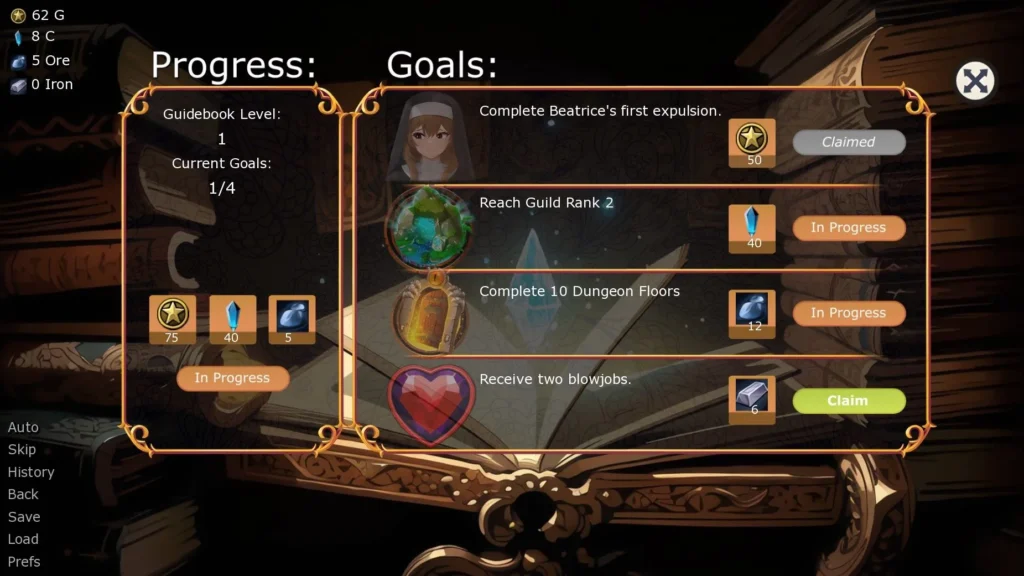
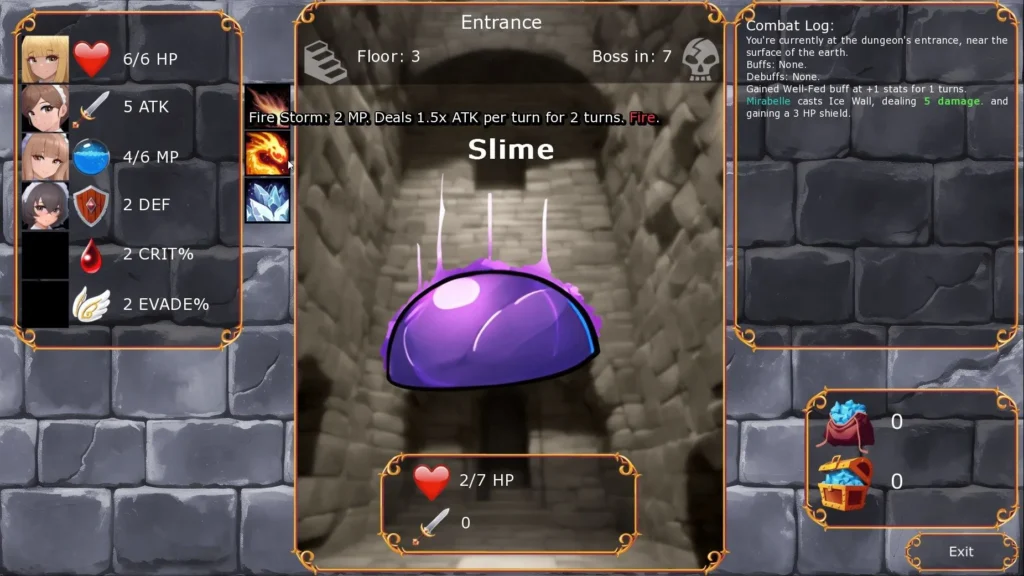
Unveiling the Unknown review
Explore the unique features and gameplay of Unveiling the Unknown
Unveiling the Unknown is a distinctive visual novel game that combines narrative depth with interactive elements, offering players a unique experience. This article dives into the core aspects of Unveiling the Unknown, exploring its storyline, gameplay mechanics, and what sets it apart in its genre. Whether you are curious about its narrative style or gameplay features, this guide provides a comprehensive overview to help you understand what makes this game intriguing.
Exploring the Gameplay and Mechanics of Unveiling the Unknown
What Makes the Gameplay Unique?
Let me paint you a picture. I was about an hour into my first session with Unveiling the Unknown, and I’d just spent twenty minutes carefully navigating a tense conversation with a mysterious informant. The dialogue was sharp, the characters felt real, and I was completely invested. Then, the game seamlessly transitioned, and suddenly I was in a dark alleyway, using a simple skill-check system to pick a lock and sneak into a secure building. That’s the magic of this visual novel RPG hybrid 🤯. It doesn’t just tell you a story; it lets you live it through a brilliant fusion of genres.
The core of the Unveiling the Unknown gameplay is its masterful blend of deep, branching narrative and light, accessible RPG mechanics. You’re not just reading text and clicking through static images. You are an active participant, making interactive story choices that have tangible weight, while also engaging with a simple but satisfying RPG layer that tests your character’s abilities. This isn’t a game where the RPG parts feel tacked on; they are woven directly into the fabric of the narrative. The narrative gameplay integration is so smooth that you barely notice the seams, which is its greatest achievement.
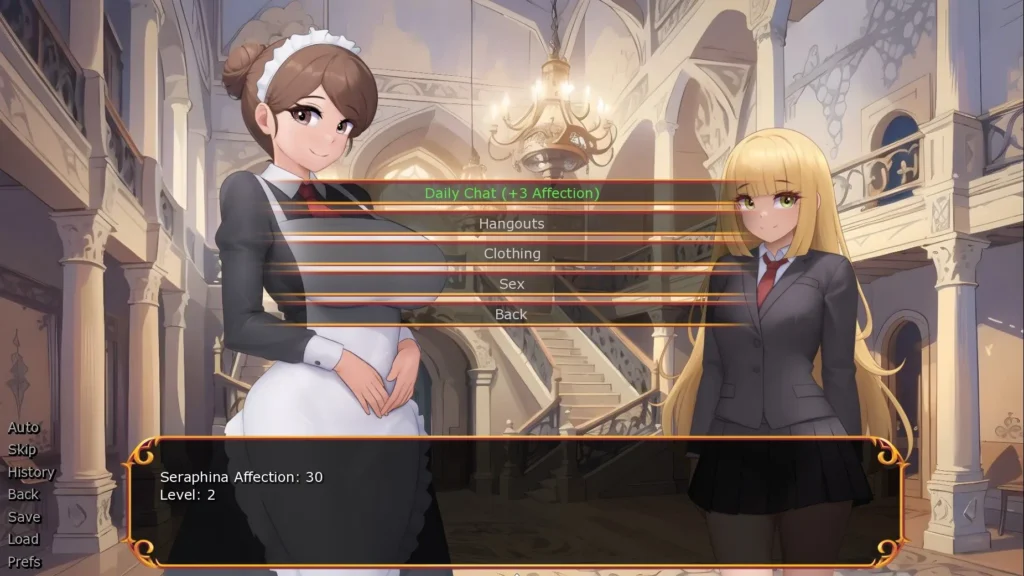
From a game mechanics overview perspective, the loop is incredibly engaging. You’ll spend time in classic visual novel segments, building relationships and uncovering plot threads. Then, based on your decisions, the game will introduce its RPG minigame features. These aren’t sprawling, complex dungeons, but rather focused scenarios—like a quick stealth sequence, a negotiation puzzle, or an environmental investigation—that directly resolve the situation your choices created. It’s a perfect balance for those who love story depth but also crave a little hands-on interaction.
How Does the RPG Minigame Enhance the Experience?
The RPG layer in Unveiling the Unknown is the secret sauce that elevates it from a great story to an unforgettable experience 🎮. Think of it less as a separate “game” and more as the physical manifestation of your character’s skills and your decisions. It takes the consequences of your dialogue choices and translates them into actionable, moment-to-moment challenges.
For instance, in one of my playthroughs, I decided my character would be a charismatic smooth-talker. During a visual novel segment, I chose to bluff my way past a guard. This triggered a short RPG minigame where I had to successfully navigate a “social combat” encounter. I had to manage a persuasion meter by selecting the right conversational tactics from a limited pool, all under a gentle time pressure. Succeeding felt amazing because it was a direct result of the persona I had built. Failing, however, led to a completely different (and hilariously chaotic) branch of the story where I had to escape through a ventilation shaft! This is the core of the player decision impact; your build and your choices in one genre directly empower or hinder you in the other.
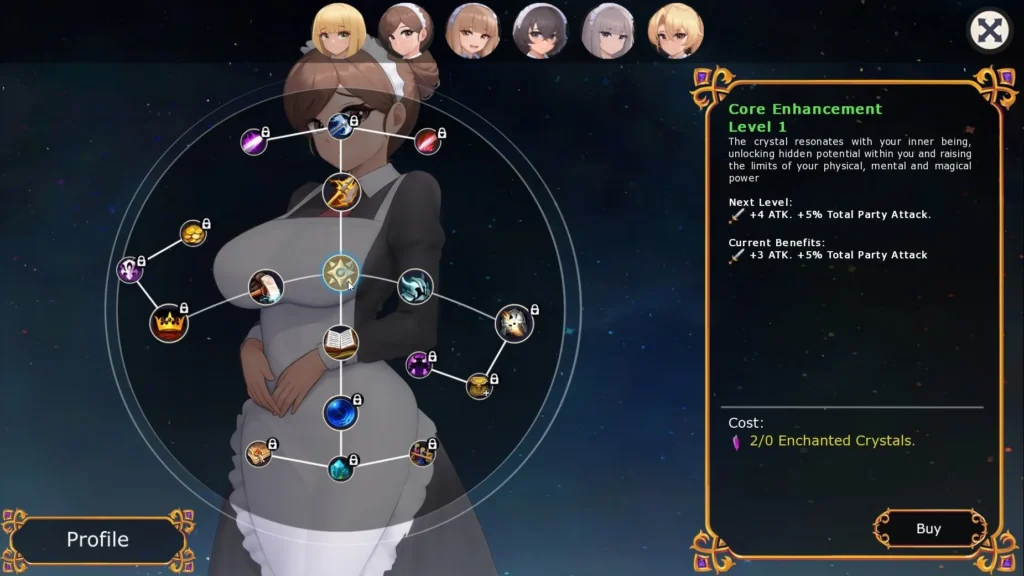
The beauty of these RPG minigame features is their simplicity and variety. They are designed to be quick to understand but strategically deep enough to feel rewarding. You won’t be grinding for experience points for hours. Instead, you improve your character’s core attributes—like Insight, Dexterity, and Resolve—which then give you better tools and higher success rates in these minigames. It’s a brilliant feedback loop where story progression and character progression are one and the same.
Here’s a quick breakdown of how the two core elements complement each other:
| Visual Novel Elements | RPG Minigame Features |
|---|---|
| Branching dialogue trees | Social persuasion challenges |
| Relationship building with characters | Team-based synergy bonuses in combat minigames |
| Plot-critical narrative choices | Skill-check scenarios (lockpicking, hacking, etc.) |
| Atmosphere and world-building | Environmental exploration and interaction puzzles |
✨ This synergy means you’re never stuck in one mode for too long. The game constantly keeps you on your toes, switching between thoughtful decision-making and tactile engagement.
Player Interaction and Choices
If there’s one thing you take away from this, it should be this: your choices in Unveiling the Unknown matter. This isn’t an illusion of choice; it’s the very foundation of the Unveiling the Unknown gameplay 🧩. The game features a robust system where every significant dialogue option and action you take is logged and can resurface hours later. The player decision impact is profound, creating a deeply personal story that feels uniquely yours.
The game presents you with interactive story choices that range from the morally grey to the strategically vital. You might have to decide whether to save a companion or secure a vital piece of evidence, with no clear “right” answer. What’s brilliant is how these narrative decisions are supported by the RPG mechanics. A choice to be aggressive in a conversation might lead to a physical confrontation minigame, where your character’s Brawn stat will be key. Alternatively, a choice to be observant might trigger an investigation minigame where your Perception is tested.
Pro Tip: Don’t reload a save just because a choice went “wrong.” Some of the most memorable and unexpected story branches come from failing a skill check or making a “bad” decision. Embrace the chaos!
Let me give you a concrete example from my own playthrough. Early on, I met a cynical journalist who was digging into the central mystery. During our conversation, I had a few key options:
* Trust her and share a crucial piece of evidence I had found.
* Brush her off and keep the information to myself.
* Intimidate her into backing off, using my character’s authority.
I chose to trust her. This single decision had a cascade of effects. It unlocked a new “Ally” ability in subsequent RPG minigames, where she would occasionally provide me with helpful information. Several chapters later, when I was trapped in a high-stakes hacking minigame, a bonus clue from her appeared on my screen, turning a potential failure into a success. Conversely, my friend who played an intimidating character found that the journalist later published a damaging article about him, making certain social interactions much more difficult. That’s the power of narrative gameplay integration in action.
The Unveiling the Unknown gameplay loop ultimately makes you feel like a true detective, diplomat, or rogue—whatever you choose to be. You’re not watching a story unfold; you are the author, and your pen is a combination of thoughtful words and decisive actions. It’s a masterclass in how to make a visual novel RPG hybrid that respects both genres and delivers an experience greater than the sum of its parts.
Unveiling the Unknown offers a compelling mix of visual novel storytelling and RPG gameplay that creates a unique player experience. Its engaging narrative combined with interactive mechanics allows players to immerse themselves deeply in the game world. Whether you are drawn to its story or gameplay innovation, this game provides a memorable journey worth exploring. Dive into Unveiling the Unknown and discover the layers waiting to be uncovered.