
The Void of Deviance
Play The Void of Deviance
The Void of Deviance Screenshots
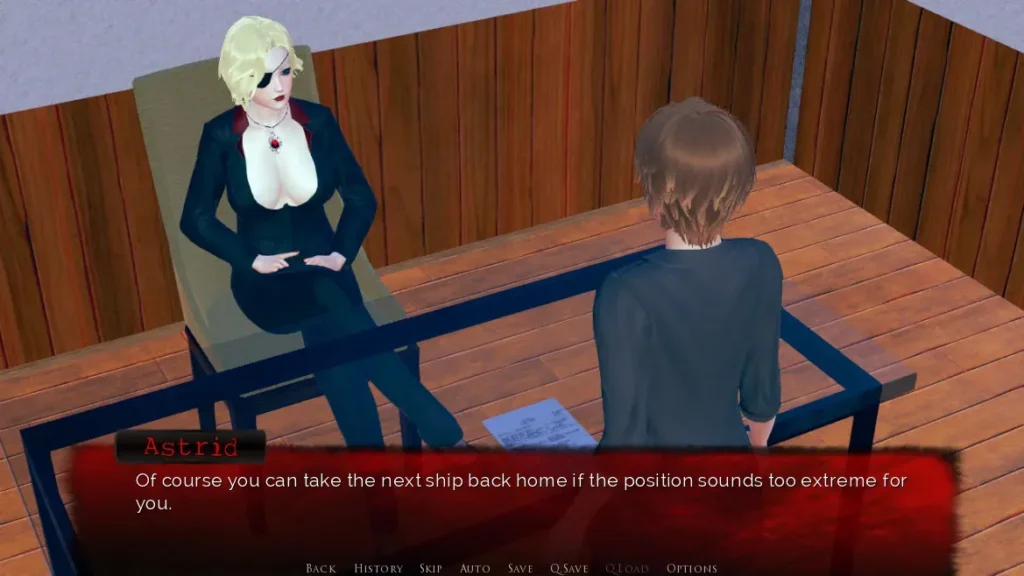

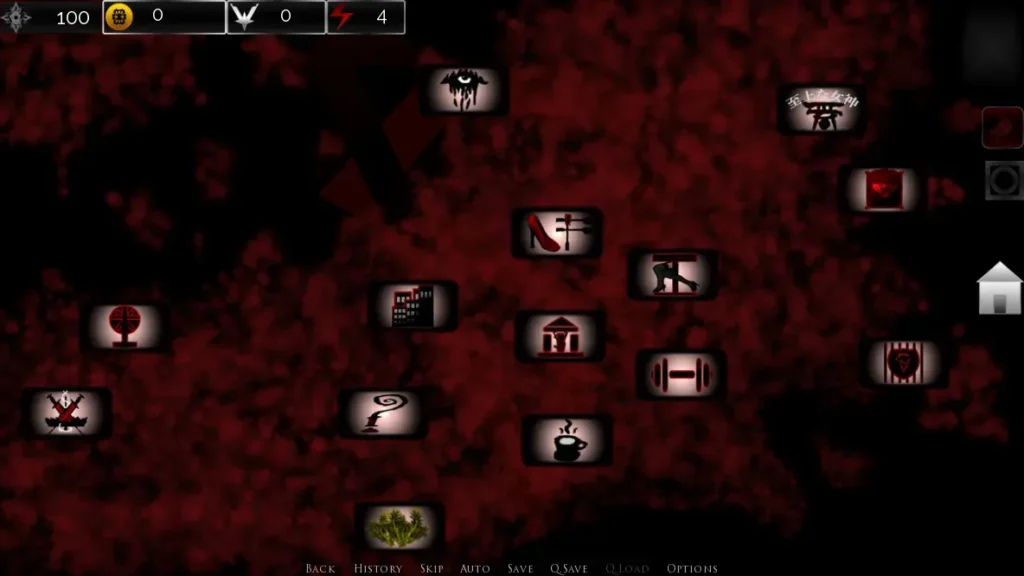




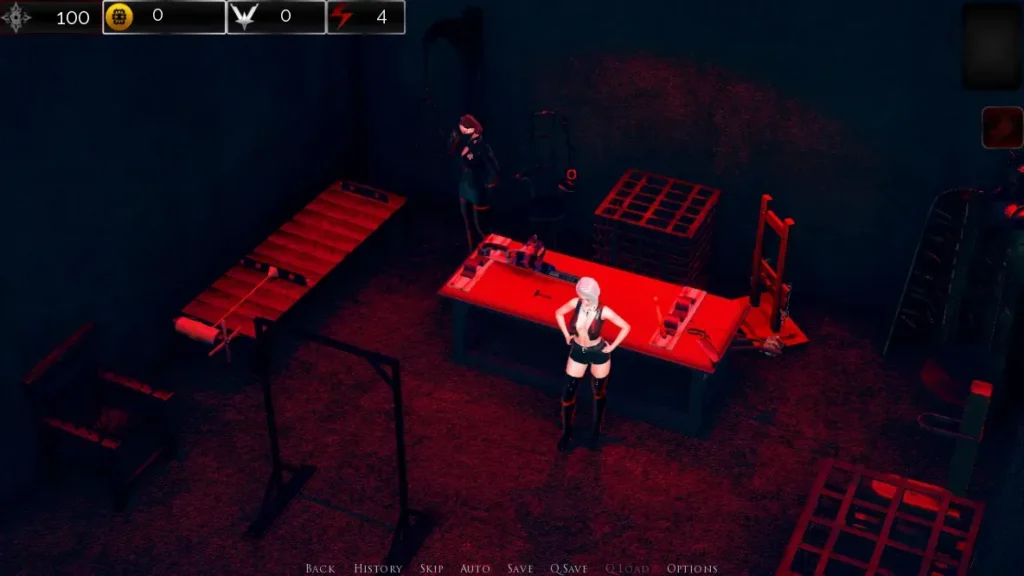

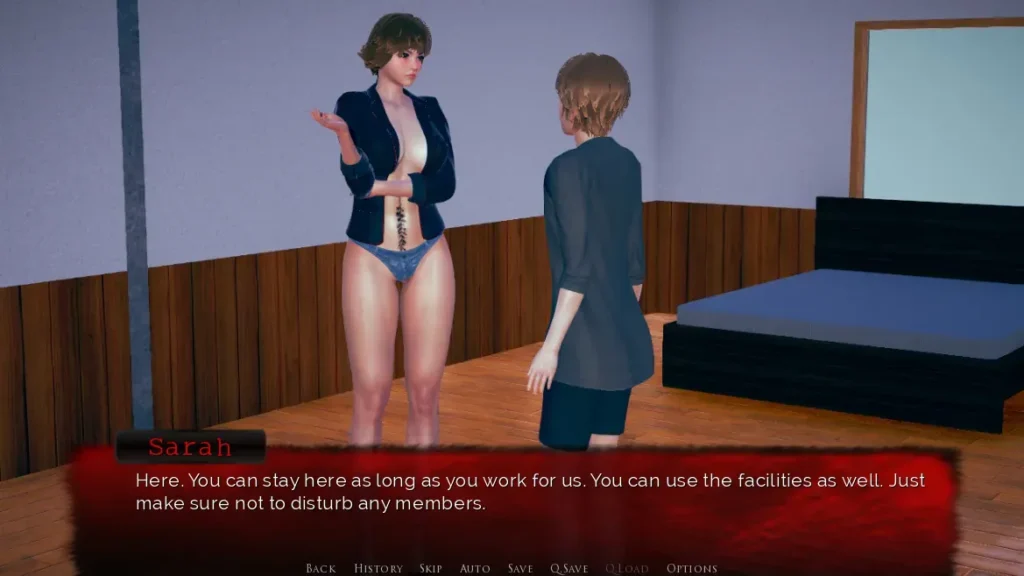





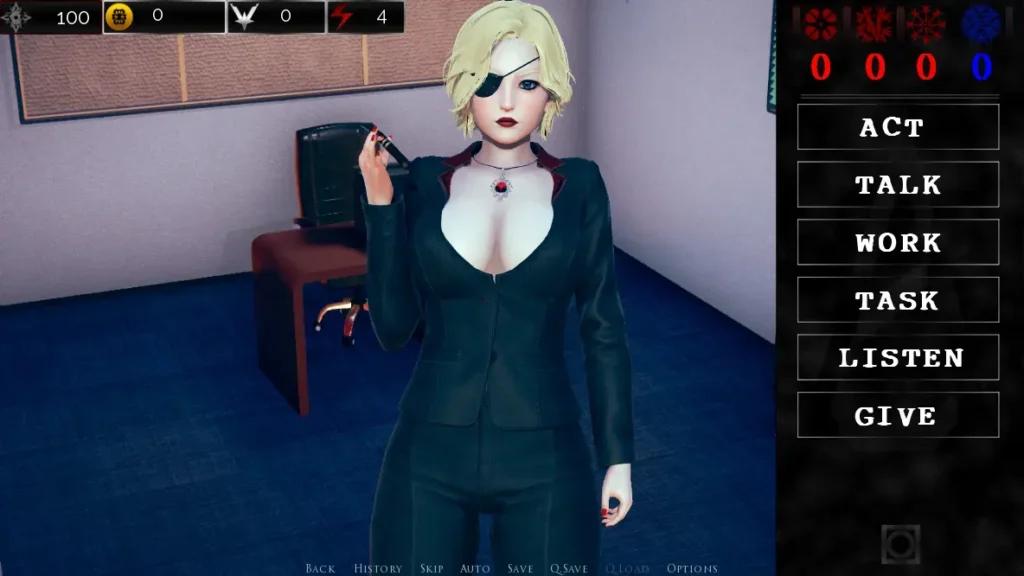






The Void of Deviance review
Explore Sylventhia Island, Master Gameplay Mechanics, and Uncover Hidden Mysteries
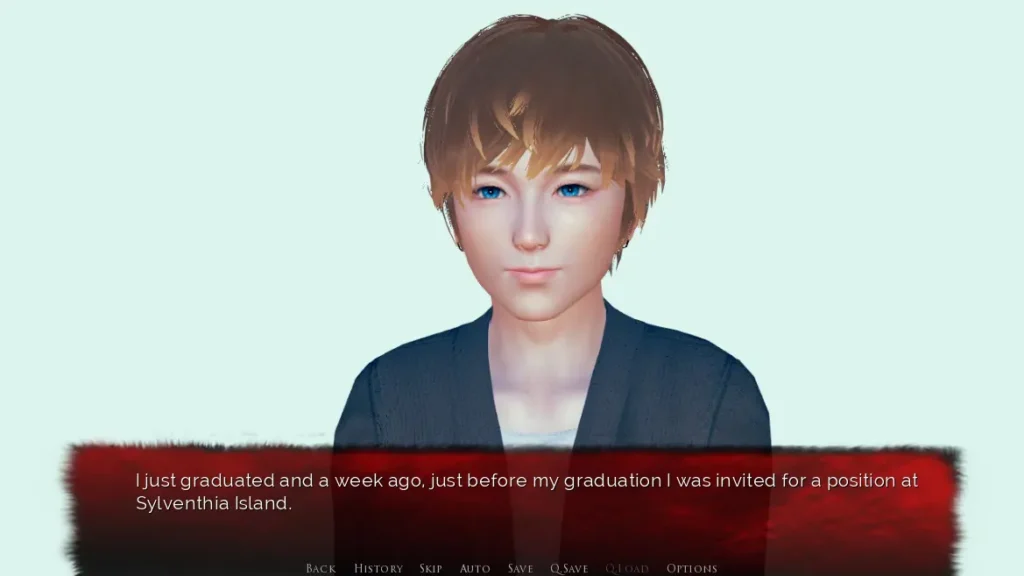
The Void of Deviance stands out as a narrative-driven interactive experience set on the mysterious Sylventhia Island. Players assume the role of a job seeker who lands a position at BanKval, only to discover the island harbors far more than a simple career opportunity. This guide explores the game’s intricate mechanics, compelling storyline, character dynamics, and the choices that shape your journey. Whether you’re new to the game or looking to deepen your understanding, this comprehensive overview covers everything you need to know about navigating this complex digital world.
Understanding The Void of Deviance: Story, Setting, and Core Gameplay
Welcome to Sylventhia Island. 🏝️ You arrived here with little more than a suitcase and a desperate need for a fresh start, lured by whispers of opportunity from the monolithic BanKval corporation. What you’ll find is a world where your new office job is the key to unlocking a labyrinth of secrets, and where every polite email and completed report might just bring you closer to a terrifying truth. This is the heart of The Void of Deviance story—a tale not of epic battles, but of quiet observations, calculated social moves, and the slow, chilling peel-back of corporate veneer.
In this guide, we’re diving deep into the foundations of this unforgettable Sylventhia Island game. We’ll explore how your desk at BanKval is your primary interface with the island’s mysteries, how you grow from a nervous newcomer into a whispered-about insider, and how the game masterfully uses silence and implication to tell its story. If you’re ready to clock in and start digging, let’s begin.
The Sylventhia Island Setting and BanKval Corporation
Sylventhia isn’t your typical tropical paradise. 🏢 Sure, it has the pristine beaches and lush jungles, but they’re framed by the stark, gleaming architecture of BanKval’s facilities. The atmosphere is one of controlled serenity, a perfectly manicured world that feels just a little too quiet, a little too clean. The BanKval corporation gameplay revolves around this unsettling contrast. You’re not a soldier or a mercenary; you’re Employee #2047, a new hire in the Technical Documentation department.
Your cover story is your reality: you have a job to do. This is the genius of the Sylventhia Island game setting. The mundane becomes mysterious. A request to archive “legacy project files” from a sealed wing. A cafeteria conversation that abruptly ends when you walk by. A recurring error code in the system that no one will explain. The island itself is a character, and BanKval is its nervous system. To progress, you must master the rhythm of corporate life—the meetings, the deadlines, the chain of command.
Pro Tip: In your first week, spend time just walking. Explore the public areas of the compound. Notice which doors require keycards you don’t have, which employees never make eye contact, and where the security cameras are not pointing. The environment holds the first clues.
The corporate hierarchy is your dungeon map. 🗺️ Need access to the restricted server room? That requires a Level 3 clearance, which only Department Head Anya can approve. To get her approval, you need a compelling work reason, which might involve helping a mid-level manager from Logistics named Leo with a “personal” tech issue. Suddenly, a simple goal involves a web of interactive story choices. Do you help Leo quickly and professionally, earning a straightforward favor? Or do you snoop through his files while fixing his problem, potentially finding blackmail material but risking his trust?
This is the core loop: use your official job to build a network of influence, access, and information. Every completed task officially builds your “Professional Reliability” stat, which opens doors. But the unofficial work—the secrets learned, the alliances forged, the small rule-bends—is what truly progresses The Void of Deviance story.
Your Role and Character Progression
Forget experience points and skill trees. In The Void of Deviance, you progress through Social Capital and Perceived Value. Your character progression mechanics are almost entirely interpersonal. When you start, you’re a ghost—ignored in hallways, your suggestions dismissed in meetings. Your goal is to become someone people notice, talk to, and, eventually, confide in or fear.
Think of it like this: early on, I needed a specific access log to cross-reference a strange event. As a nobody, my direct request to the IT head was met with a flat “not without Form D-87, signed by two department heads.” A dead end. So, I shifted strategy. I started eating lunch regularly with Mara from IT Support, listening to her complaints about the outdated network nodes. I casually mentioned a workaround I’d read about. A week later, she “forgot” to log out of a terminal with broader access. I didn’t level up a “Hacking” skill; I leveled up Mara’s Trust.
This Trust is the true currency of Sylventhia. It’s not a monolithic meter but a complex, individual relationship with every major NPC. Building it requires listening, delivering on promises (both official and unofficial), and sometimes choosing sides in office politics. The power dynamics in games are often about brute force or resource control. Here, power is subtle, flowing through gossip, owed favors, and carefully cultivated reputations.
Your official “role” (Technical Doc Specialist) provides a toolkit and a cover. It determines:
* Your Daily Routine: Where you can be without raising suspicion.
* Your Reporting Structure: Who you can ask “official” questions.
* Your Access Tier: Which digital and physical layers of the island are open to you.
* Your Cover for Snooping: “I’m just updating the safety manuals for this area” is a fantastic excuse to be somewhere you shouldn’t.
As you prove your “worth” to the corporation and its inhabitants, you’ll naturally gravitate towards an archetype based on your choices. This isn’t a menu selection; it’s an emergent reflection of your playstyle.
| Archetype | Core Attribute | Playstyle & Benefits | Challenges |
|---|---|---|---|
| The Shadow 👤 | Secrecy & Stealth | Excels at accessing restricted areas unseen. Leaves minimal digital trails. NPCs are less likely to report suspicious activity. | Lower base Trust; harder to form deep alliances. Misses out on clue-rich conversations. |
| The Balancer ⚖️ | Diplomacy & Insight | Can mediate conflicts, gaining favors from multiple sides. Unlocks unique dialogue options that reveal character motives. | Must carefully manage conflicting loyalties. Can become a target if factions turn on each other. |
| The Corporate Climber 📈 | Ambition & Efficiency | Rapidly increases official clearance and resource access. Can command lower-level employees to gather information. | Viewed with suspicion by anti-corporate factions. Moral choices often conflict with career advancement. |
| The Instigator 🔥 | Subterfuge & Chaos | Can turn NPCs against each other, creating distractions and openings. Uncovers secrets through conflict and revealed tensions. | High risk of permanent alienation or expulsion. The world becomes more hostile and unpredictable. |
Your path through these character progression mechanics defines your unique experience of the BanKval corporation gameplay. Will you be the silent ghost in the machine, the respected mediator, the rising star, or the agent of chaos? The choice is in every interaction.
Mystery Elements and Narrative Discovery
If you’re waiting for a cutscene where a villain monologues their entire plan, you’ll be waiting forever. 🕵️♂️ The narrative mystery elements in The Void of Deviance are environmental, fragmented, and demand your active participation. The story is a puzzle where 60% of the pieces are hidden, and you’re not even sure what the final picture is supposed to be.
The game employs a “show, don’t tell” philosophy masterfully. Here’s what that looks like in practice:
* Environmental Storytelling: A family photo on a manager’s desk, but with one face neatly cut out. A repeated, unauthorized charge on a public logistics log for “soil remediation” in a region that’s supposed to be pristine. A secured waste bin containing shredded documents, where a few painstakingly reassembled fragments reveal a project codename.
* Cryptic Conversations: Colleagues speak in half-truths and coded language. “The weather on the north shore is particularly volatile this time of year,” might be a genuine warning about a dangerous area, or a metaphor for managerial unrest. You must learn the local jargon and read between the lines.
* Discovered Documents: These are your primary lore drops—emails, medical reports, security assessments, personal journals. They rarely give direct answers. Instead, they offer perspectives. A security report downplays an incident; a private journal from a cleaner describes the same event with horror. The truth lies in the contradiction.
This approach makes every discovery feel earned. I’ll never forget the chill I felt when I pieced together a minor character’s fate. It wasn’t from a mission update. It was from crossing a “Resignation Notice” in HR files with a missing person poster on a town bulletin board (outside the compound, which I accessed by bribing a guard with contraband coffee beans) and a single, frantic line in an archived system log. The game didn’t highlight it. I connected it. That moment of realization is the game’s greatest reward.
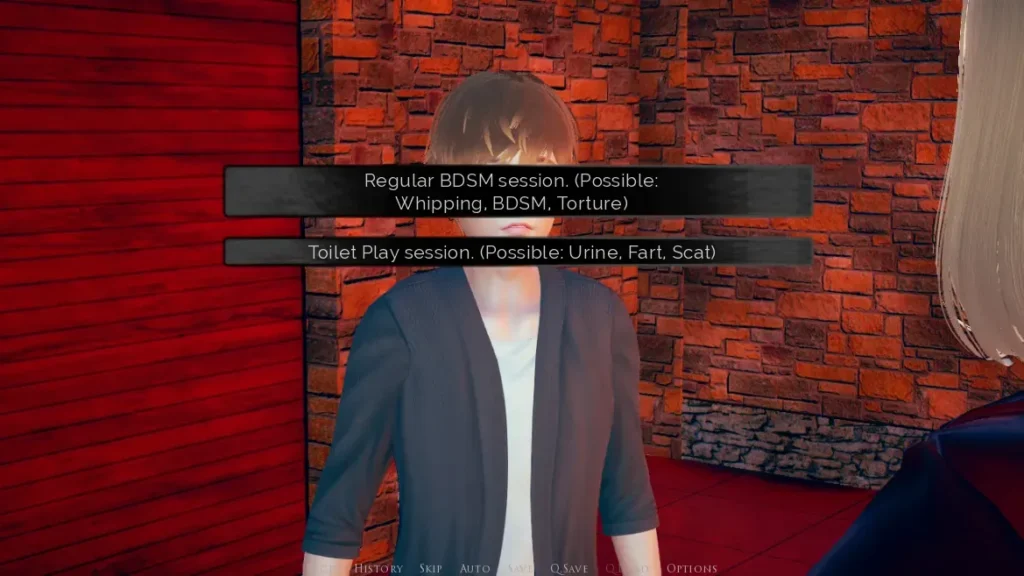
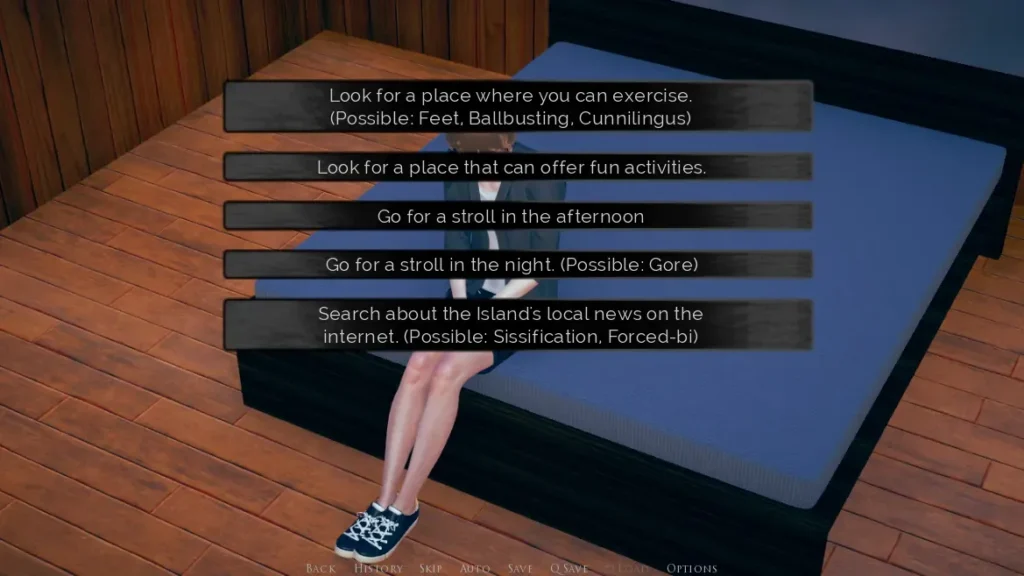
Your interactive story choices directly govern the flow of this information. Choosing to share a secret with one colleague might open their entire diary to you later. Choosing to withhold it for leverage might make them hostile, closing off their path but potentially making them slip up and reveal more in anger. There is no “good” or “evil” path—only paths with different truths and consequences. You are constantly deciding which threads of the mystery to pull on, knowing each tug reshapes the web of relationships around you.
Ultimately, understanding The Void of Deviance story is about embracing the role of an investigator trapped in a golden cage. 🐦 Your tools are your wit, your attention to detail, and your ability to navigate the suffocating power dynamics in games of corporate life. Sylventhia Island’s secrets are buried deep, guarded by routine and reputation. To uncover them, you must first learn to be the perfect employee—because that’s the last thing anyone will suspect you of being. Clock in, keep your head down, and start digging. The truth about BanKval, the island, and your own role in it all is waiting in the quiet spaces between your daily tasks.
The Void of Deviance offers a richly layered experience that combines mystery-driven narrative with strategic gameplay mechanics. From navigating the corporate hierarchy of BanKval to mastering the Deviance Points system and character archetypes, the game rewards players who engage deeply with its systems. The thoughtful approach to content customization ensures that players maintain agency over their experience while still facing meaningful consequences for their choices. Whether you’re drawn to the intricate storytelling, the skill-based interaction sequences, or the complex character relationships, The Void of Deviance provides multiple avenues for engagement. By understanding the core mechanics, exploring different character archetypes, and strategically managing your resources and relationships, you can unlock the game’s hidden depths and discover the secrets that Sylventhia Island conceals. Your journey on this mysterious island promises to be as unique as the choices you make along the way.