The Sin Within
Play The Sin Within
The Sin Within Screenshots
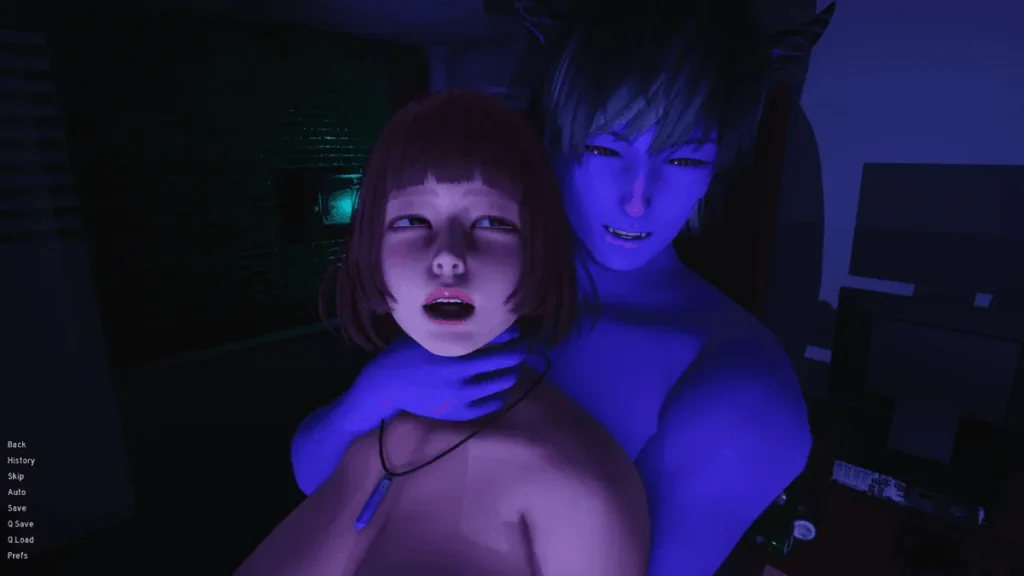
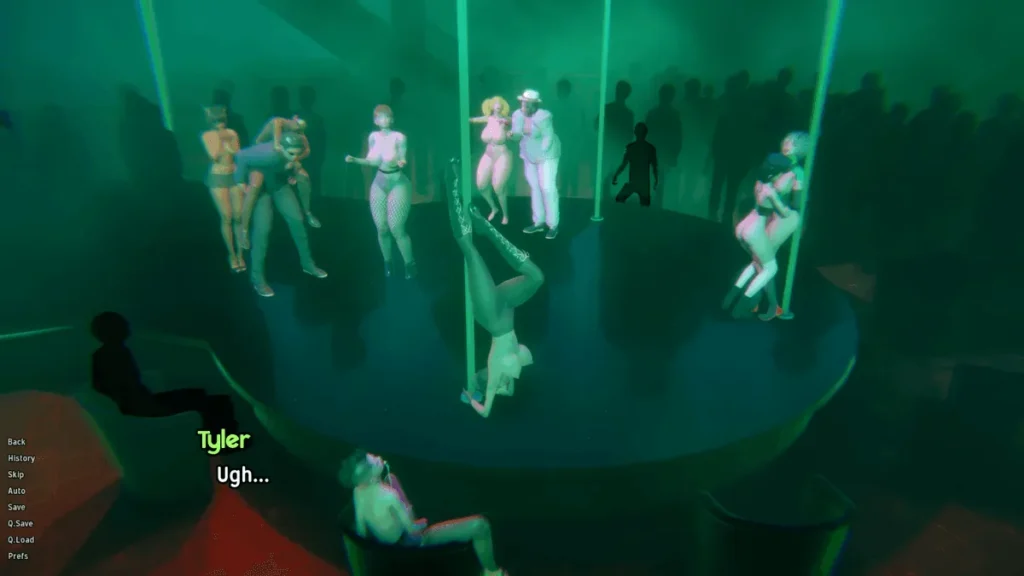
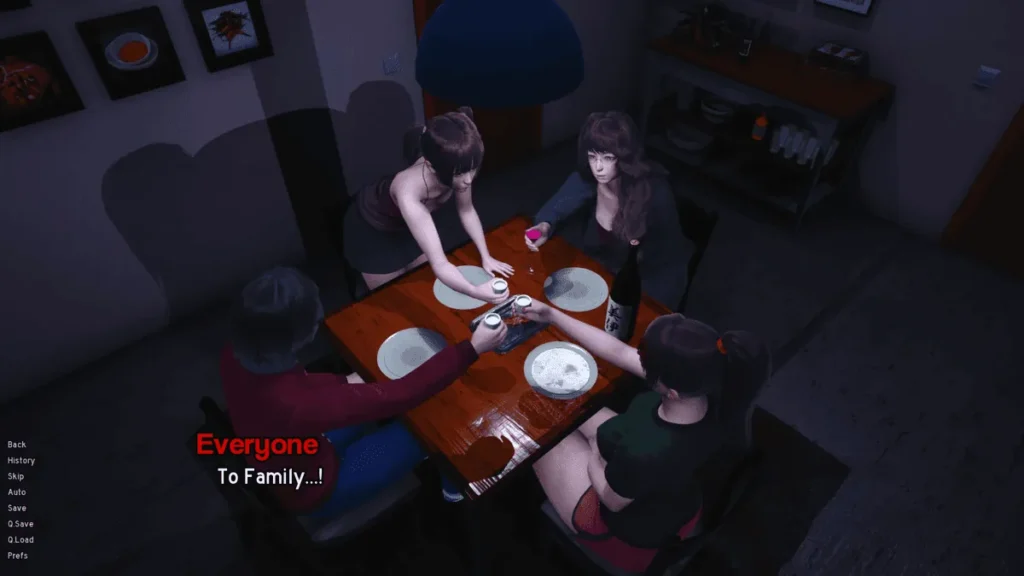
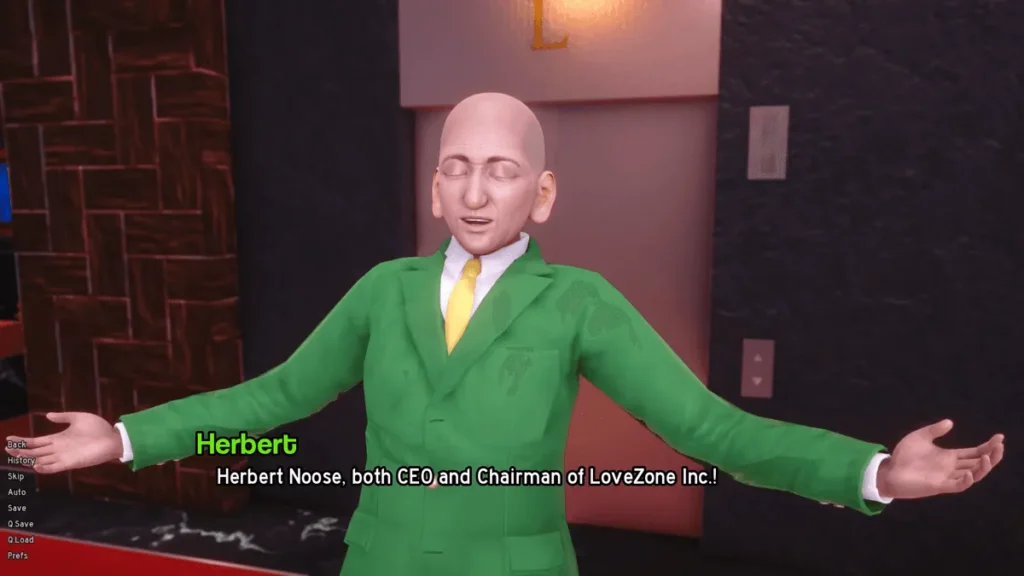
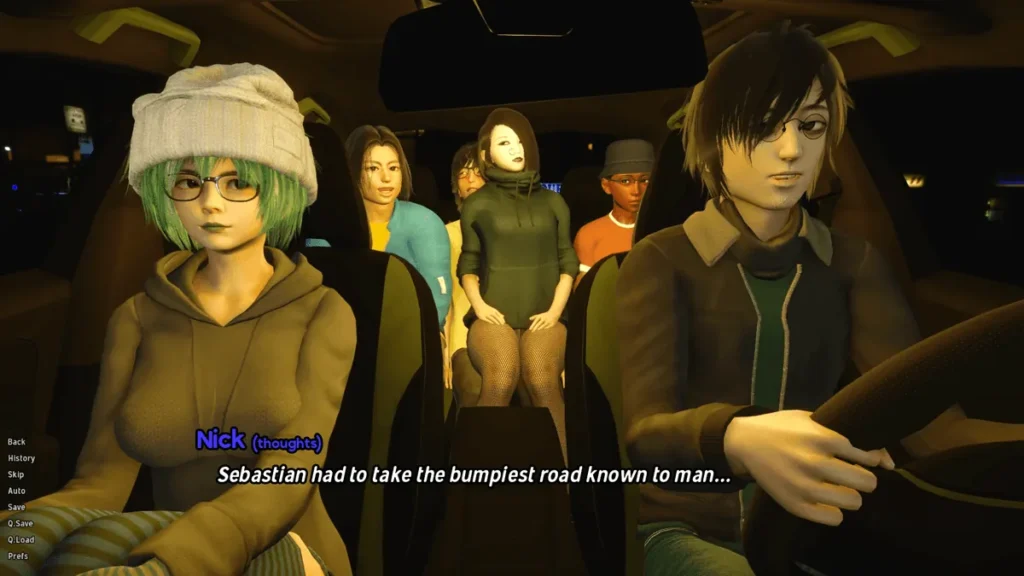
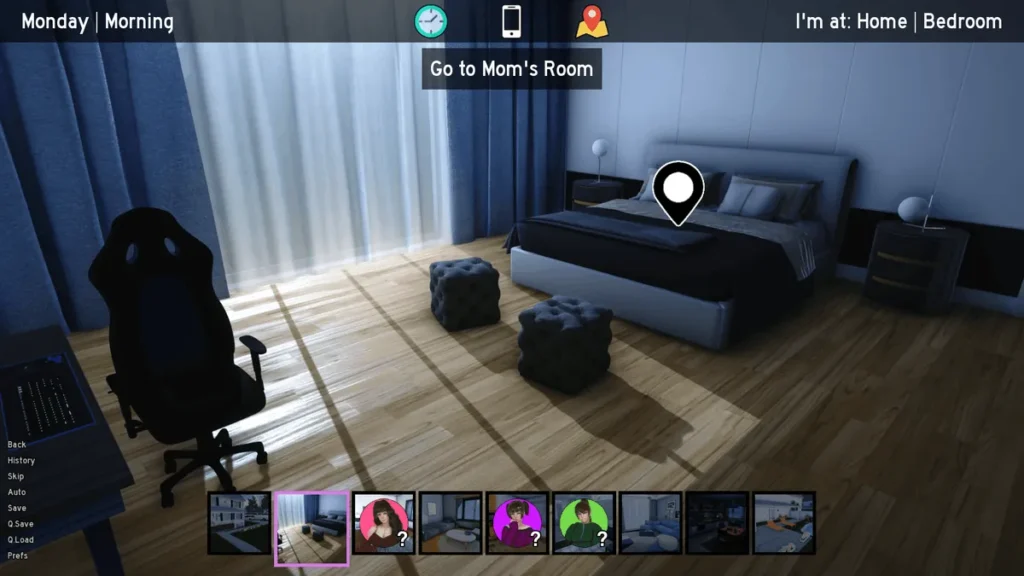
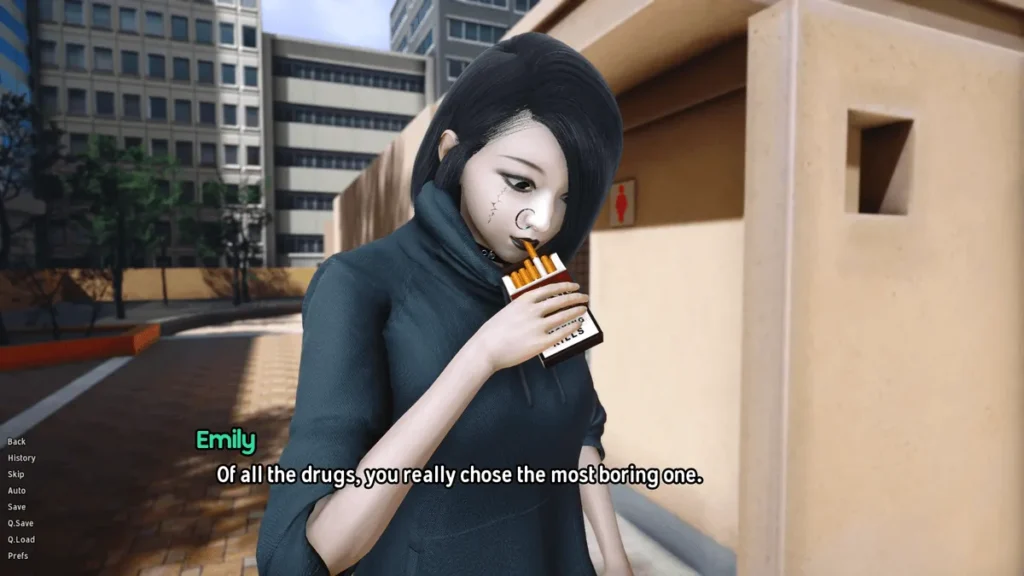
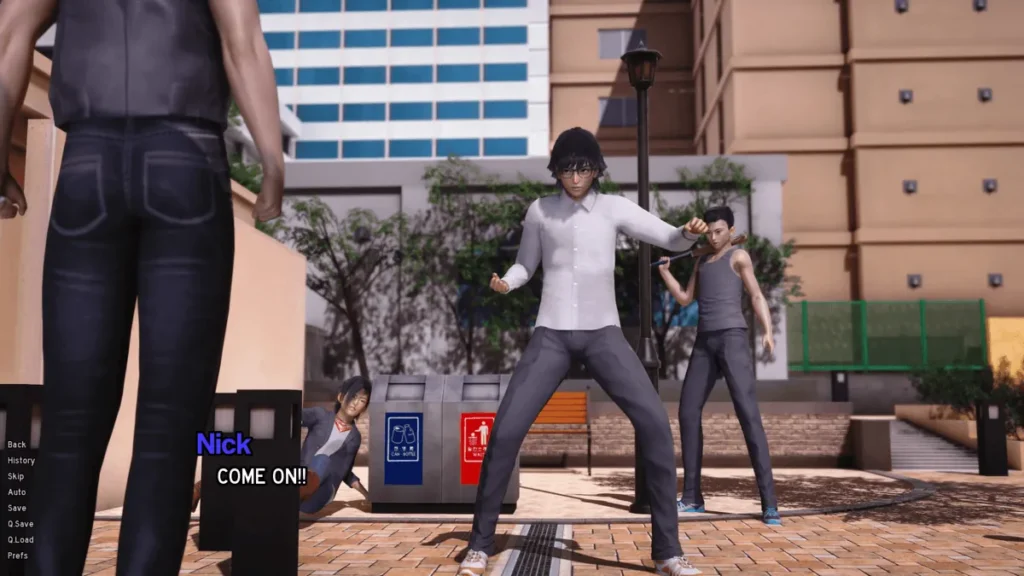

The Sin Within review
Explore the gripping psychological horror and intimate twists of this adult narrative game
Ever stepped into a game that crawls under your skin, blending haunting memories with raw, personal temptations? That’s The Sin Within for you—a psychological horror experience wrapped in adult themes that force you to confront your deepest shadows. I still remember my first playthrough: returning to that crumbling childhood home, sifting through nightmare fragments, every choice feeling like a stab at my own buried guilt. This isn’t just a game; it’s a mirror to repressed desires and emotional turmoil. In this guide, we’ll unpack its core story, innovative mechanics, and why The Sin Within gameplay keeps players coming back for more twisted endings. Ready to face the darkness within?
What Makes The Sin Within Unforgettably Intense?
I still remember the first time I stepped into that virtual hallway. 🏚️ It wasn’t a grand, gothic castle or a derelict asylum—it was a simple, suburban house. But the moment the door creaked open, a wave of recognition washed over me, followed by a deep, unsettling chill. This was The Sin Within childhood home, and it felt less like a setting and more like a character itself, saturated in a guilt so thick you could almost taste it. That’s the masterstroke of this psychological horror adult game; it weaponizes the mundane, transforming familiar spaces into prisons of half-remembered pain.
If you’re wondering what is The Sin Within about, prepare for a journey that’s less about external monsters and more about excavating the ones you’ve buried. You play a protagonist compelled to return to their family home after a tragedy, tasked with sifting through the debris of a shattered past. The core of The Sin Within story is a profound exploration of repressed trauma gameplay. Your mission isn’t to survive a zombie horde, but to survive your own memories, which bleed into the present as terrifying, poignant The Sin Within manifestations.
Unraveling the Core Story of Repressed Trauma
At its heart, The Sin Within is a ghost story where the ghost is you—or rather, the person you used to be, and the things you desperately tried to forget. The narrative doesn’t unfold in clean, linear cutscenes. Instead, it’s a psychological excavation. You’ll piece together the The Sin Within story through fragmented diary entries, distorted echoes of past conversations, and objects that hum with emotional residue. A cracked teacup on the floor isn’t just set dressing; it’s a landmine of memory.
The genius of the repressed trauma gameplay is how it makes your internal struggle tangible. That gnawing guilt you feel? It might manifest as a viscous, black stain seeping up the walls of your old bedroom. A burst of childhood rage could suddenly set the hallway paintings aflame. The house is a living Rorschach test, its reality warping directly in response to your emotional state and the memories you uncover. This creates a uniquely personal horror. The scares don’t just jump out at you; they emerge from you, making every chilling moment feel earned and intimately connected to the The Sin Within story.
My Insight: This game’s horror feels self-inflicted, making it powerfully personal. You’re not running from a slasher; you’re running from the consequences of your own history, and that’s a far more unsettling chase.
How Player Choices Shape Your Psychological Journey
This isn’t a game where you watch a story unfold—you weave it with every decision, often in subtle, emotionally charged ways. The core repressed trauma gameplay loop revolves around confronting manifestations of your past, primarily visions of your sibling. These aren’t simple boss fights; they are interactive, painful conversations.
- Engaging vs. Rejecting Siblings: Do you listen to their accusations, seeking to understand and potentially forgive? Or do you shut them out, fueling your own anger and denial? This choice directly alters the emotional fabric of the house and steers you toward vastly different conclusions in the multiple endings The Sin Within is famous for.
- Memento Choices: Scattered throughout the home are objects of pure sentimental weight—a worn teddy bear, a faded birthday card. You can choose to collect and preserve these items, clinging to the haunting beauty of the past, or destroy them, attempting to purge the memory and often leaving behind a corrosive emptiness. Each action is a statement about how you, the player, are choosing to process this grief.
- Confronting Your Shadow Self: The ultimate manifestation is a twisted version of you. Your responses here—ranging from hostile rejection to weary acceptance—determine whether you achieve a fragile self-understanding or spiral into complete psychological disintegration.
To show you how this works in practice, here’s a quick guide to the branches your choices create:
| Choice Type | Player Action | Emotional Outcome | Ending Pathway |
|---|---|---|---|
| Sibling Interaction | Listen, engage, seek understanding | Pathos, shared grief, bittersweet connection | Forgiveness / Reconciliation |
| Sibling Interaction | Ignore, argue, reject their presence | Anger, isolation, reinforced guilt | Despair / Anguish |
| Memento Handling | Preserve and cherish keepsakes | Nostalgic pain, acceptance of memory | Integrated / Melancholic |
| Memento Handling | Destroy or abandon keepsakes | Numbness, emptiness, attempted purge | Hollow / Detached |
| Shadow Self Response | Accept, integrate, show compassion | Self-acceptance, weary peace | Transcendence |
| Shadow Self Response | Fight, deny, reject this version of you | Fragmentation, internal conflict | Dissolution |
A Case Study from My Playthrough: In my first run, I was defensive. My character was hurting, and I played them that way. I rejected my sibling’s painful manifestations, shouting them down. I destroyed mementos that hurt too much to look at. The result? A stark, lonely ending where my character was left sitting in an empty, sterile version of the house, having successfully pushed everything away—including any chance for healing. It was a “victory” that felt like a profound loss, and it haunted me for days. This is the power of the multiple endings The Sin Within offers; they are less about “good” or “bad” and more about authentic emotional consequences.
Actionable First-Play Advice: Don’t try to “game” the system. Go with your gut. When you see a manifestation, what’s your immediate, visceral reaction? Follow it. That first, unspoiled journey is the most raw and impactful way to experience The Sin Within story. You can always replay for the multiple endings The Sin Within has hidden away, but you only get one first time. Let yourself feel it. 😢
Navigating Hostile Environments and Manifestations
While the deepest threats are psychological, the game wisely gives your dread a physical form. The The Sin Within childhood home becomes a genuinely hostile environment. Corridors might elongate impossibly, doors might lead to different rooms than they should, and the very geometry of the space will shift to disorient and trap you. These are the tangible threats, the The Sin Within manifestations of your crumbling mental state.
You’re not armed with a shotgun. Your primary tools are your attention, your memory, and your emotional resilience. A “puzzle” might involve recreating a specific, traumatic moment from your childhood exactly as it happened to open a path forward. The horror comes from the realization of what you’re reconstructing and why. Other times, you might be pursued by a chaotic, screaming manifestation of a repressed memory—a formless blur of sound and shadow that you can’t fight, only hide from or, perhaps, finally turn and face.
This blend of cerebral and tangible pressure is what cements its status as a premier psychological horror adult game. It respects your intelligence, trusts you to sit with deep discomfort, and then, just when you’re lost in thought, it makes the floor give way beneath you—literally and metaphorically.
With an 8-10 hour playtime for a single run, the experience is dense and intentionally paced. But its true length is measured in replays. Each return to The Sin Within childhood home can feel different based on the emotional lens you choose to apply, making the pursuit of all its conclusions a compelling reason to revisit your trauma from new angles.
Why It Stands Out: In a genre often focused on shock and spectacle, The Sin Within offers a slower, more intimate kind of terror. It’s a game that understands true horror isn’t about the monster under the bed, but about the quiet, awful understanding of why you put it there in the first place. It’s a brutal, beautiful, and unforgettable piece of interactive storytelling. 🖤
Your Questions, Answered
How long is a single playthrough of The Sin Within?
A focused first playthrough typically takes between 8 to 10 hours. The game encourages exploration and sitting with its atmosphere, so your time may vary based on how thoroughly you investigate every memory-soaked corner.
Are there real threats to avoid, or is it purely atmospheric?
While the core tension is psychological, there are tangible, physical threats in the form of hostile manifestations. You cannot directly combat these with weapons; your survival depends on evasion, stealth, and sometimes confronting the emotional truth they represent.
Why should I replay it for multiple endings?
The multiple endings The Sin Within features are not simple variants. They are profound, thematic conclusions that reflect completely different psychological outcomes—from acceptance to annihilation. Replaying lets you explore how different approaches to grief and guilt fundamentally change the story’s meaning and your character’s fate.
Diving into The Sin Within left me reflecting on my own hidden corners long after the credits rolled—its blend of psychological depth, branching decisions, and intimate horror creates an experience that’s as cathartic as it is chilling. Whether you’re chasing nostalgia-tinged closure or embracing total breakdown, every path feels earned and hauntingly personal. If you’re ready for a game that turns your choices into self-inflicted scares, grab it now and start your journey home. What’s your first choice going to be? Share in the comments—I’d love to hear how it unravels for you.