Tales from the Unending Void
Play Tales from the Unending Void
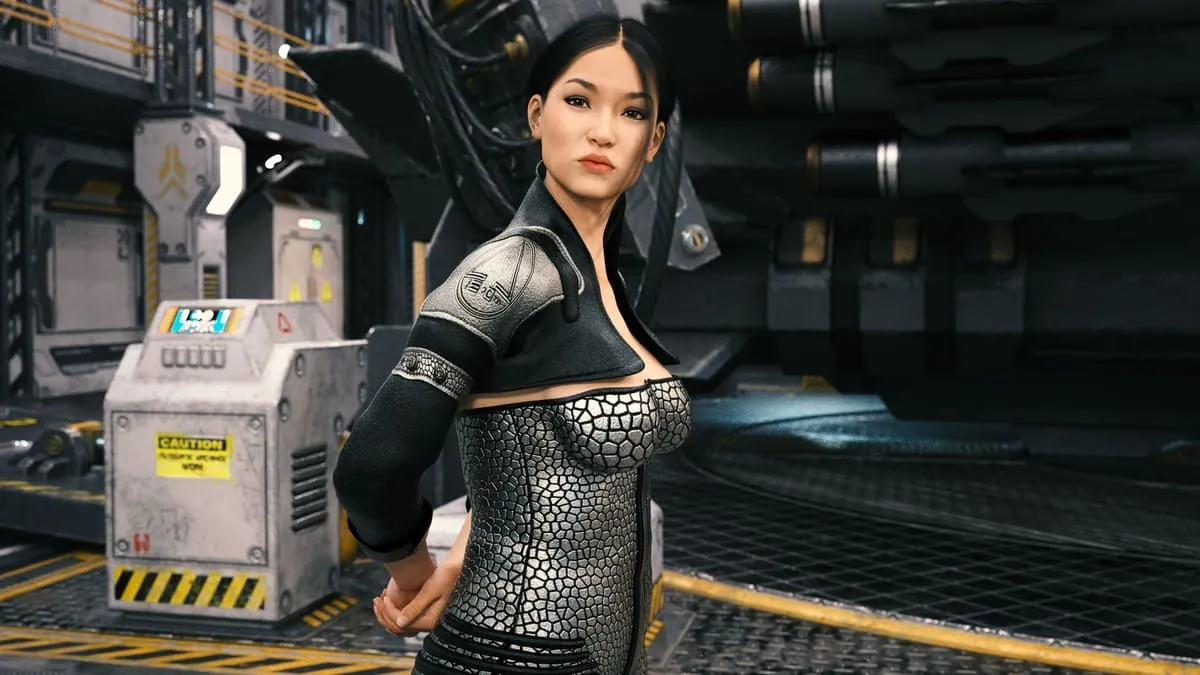
Tales from the Unending Void Screenshots



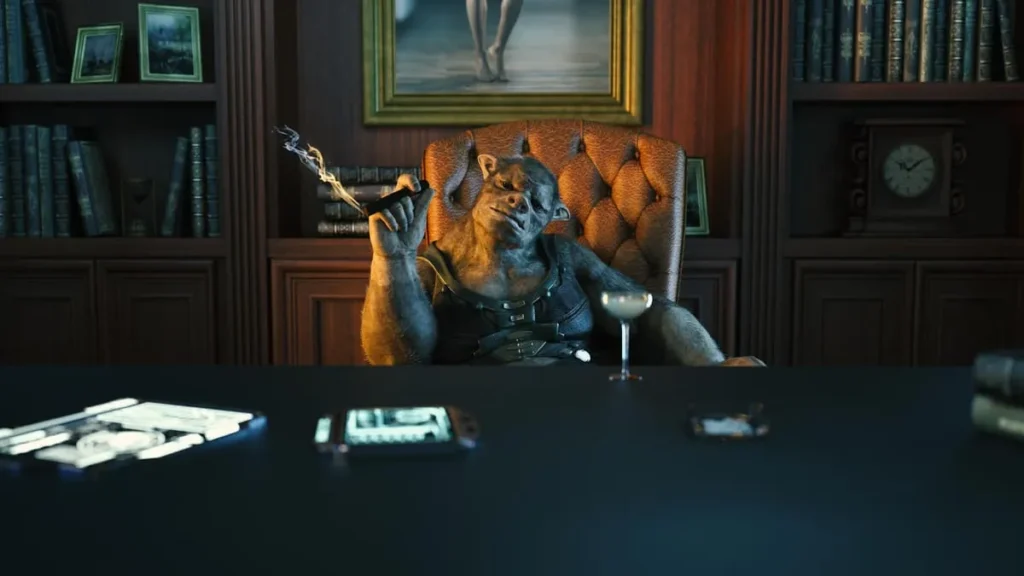
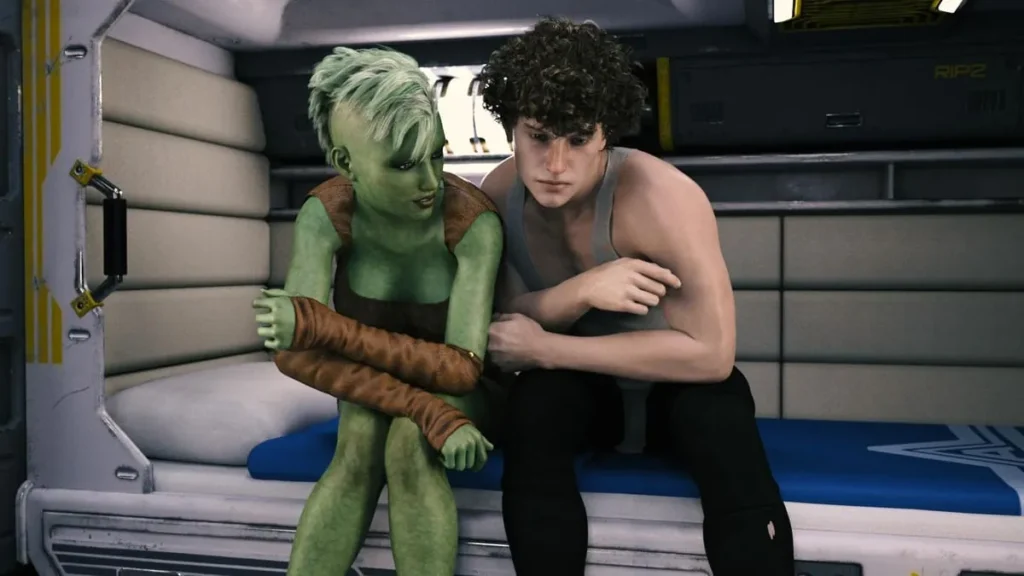


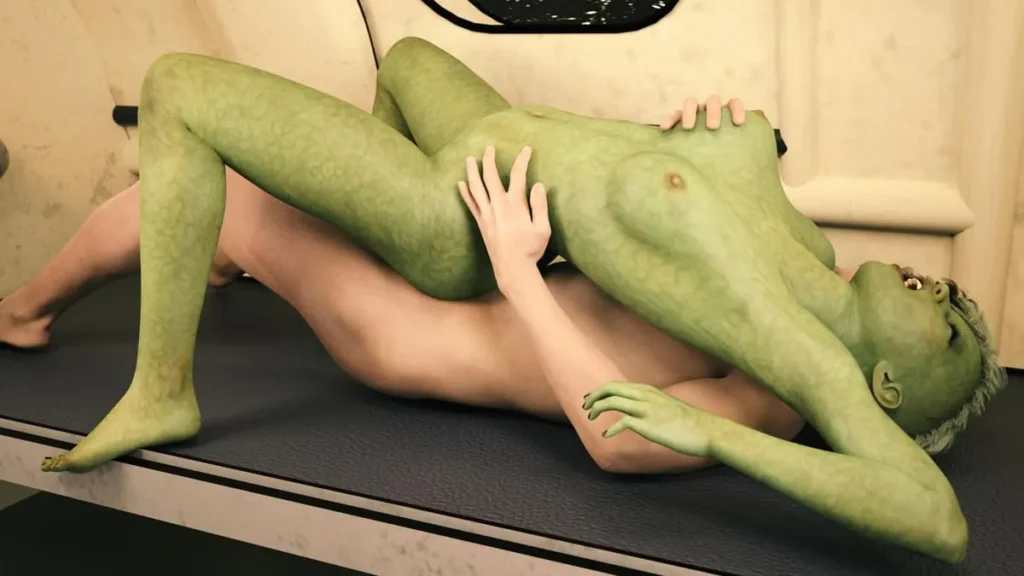

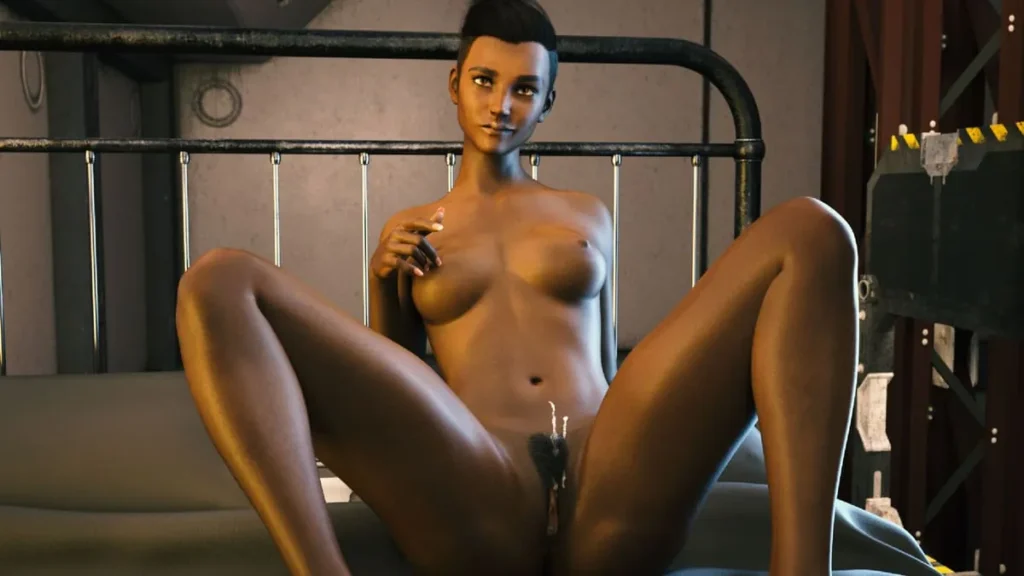


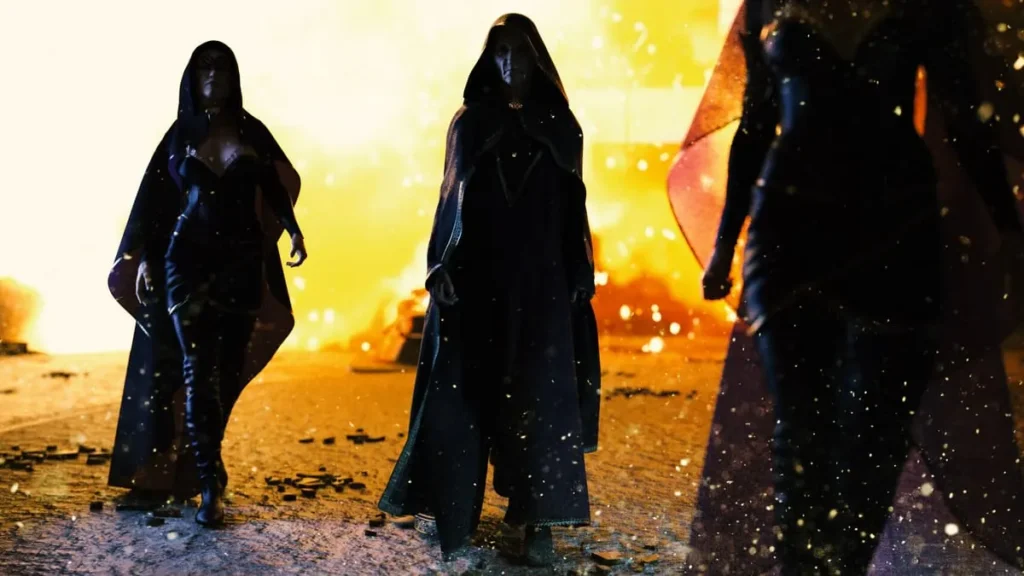

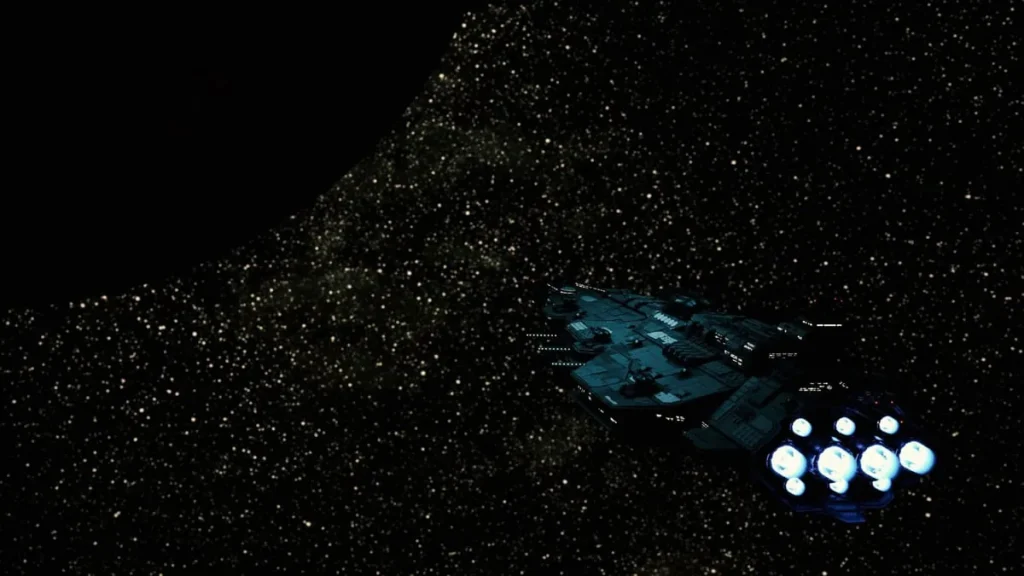

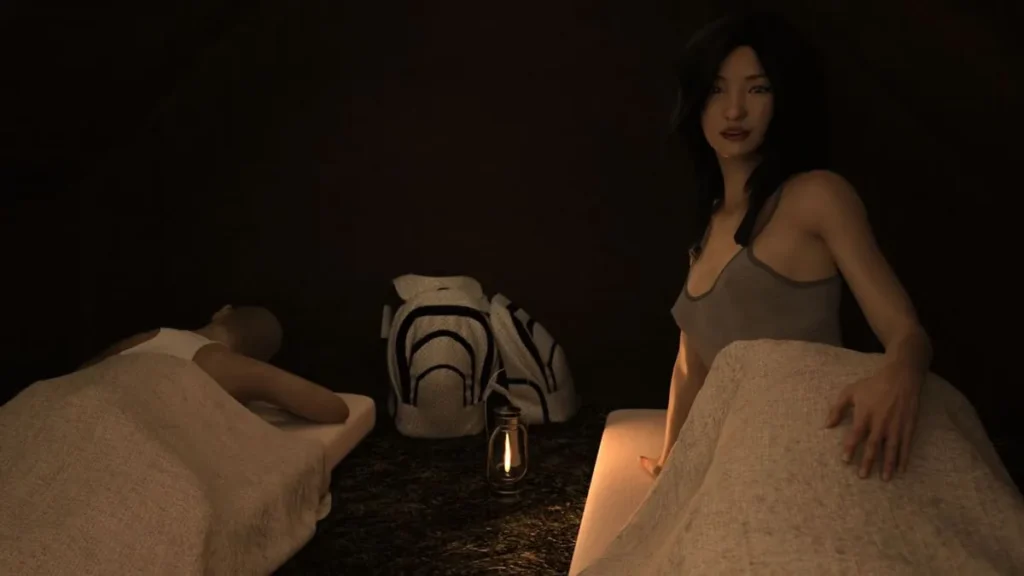
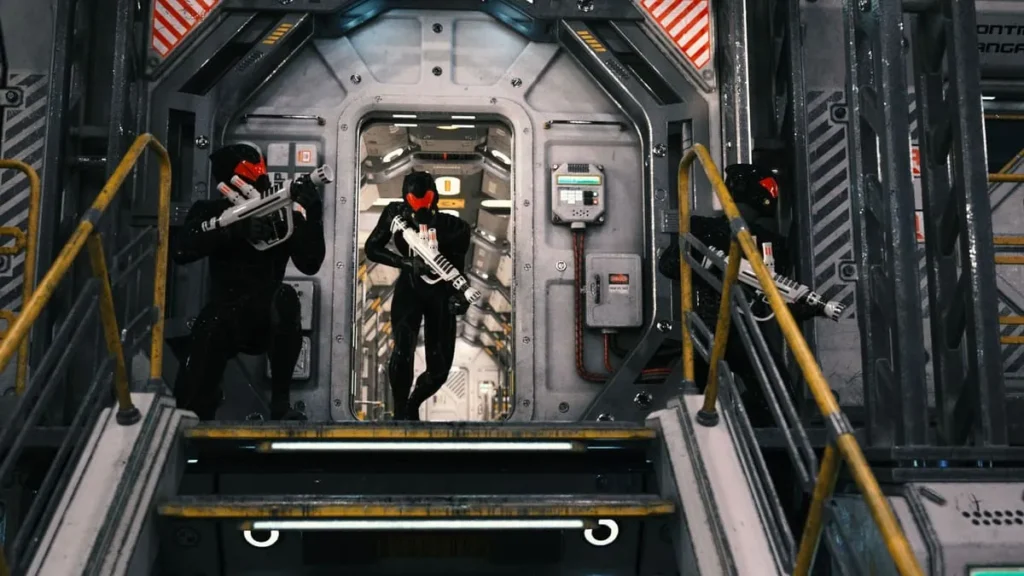
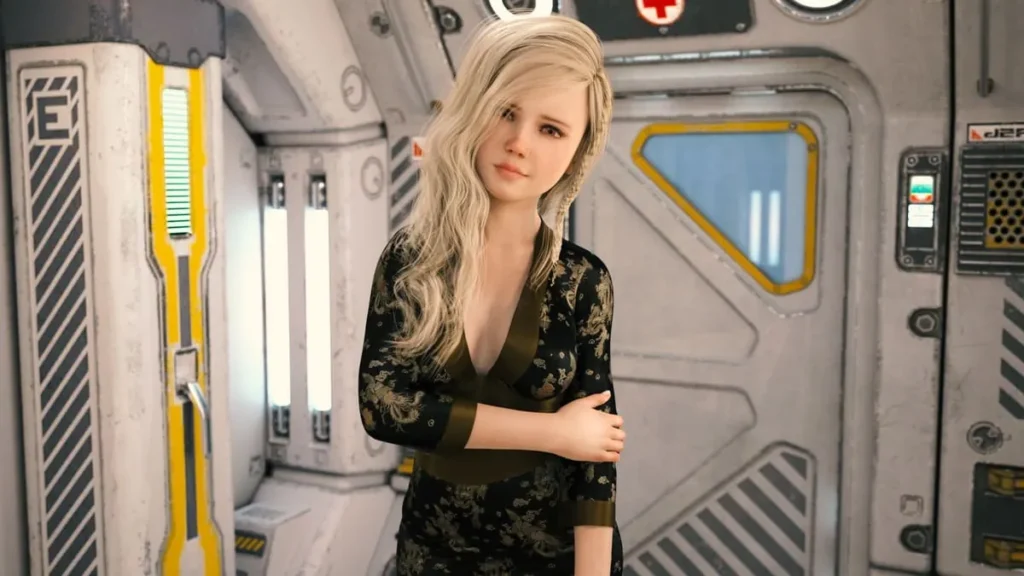
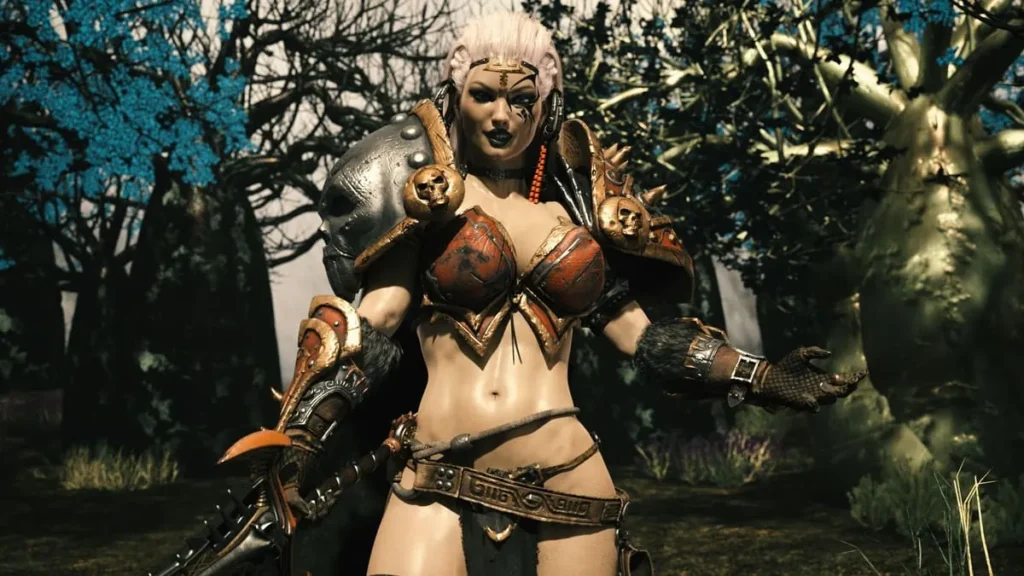
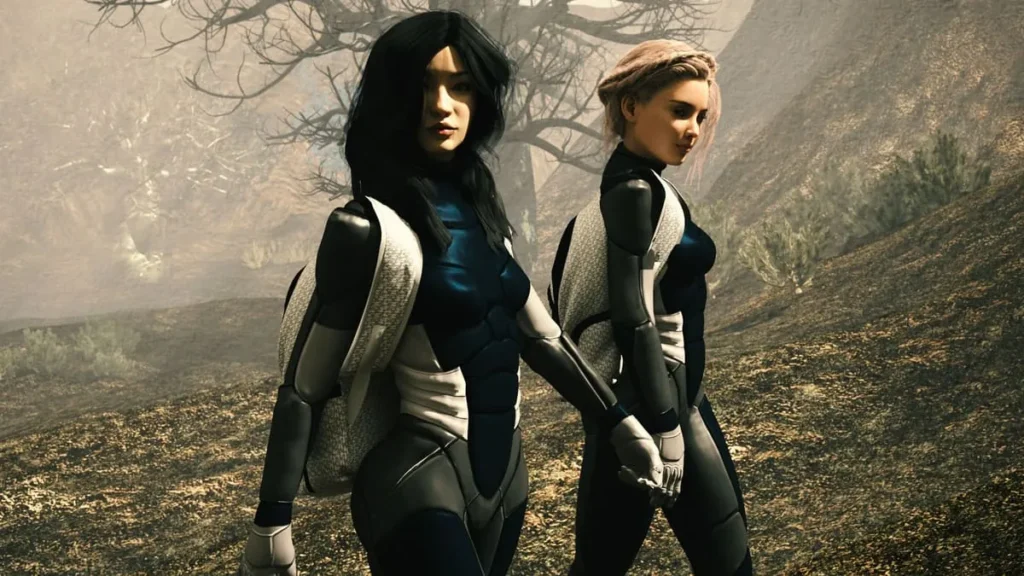
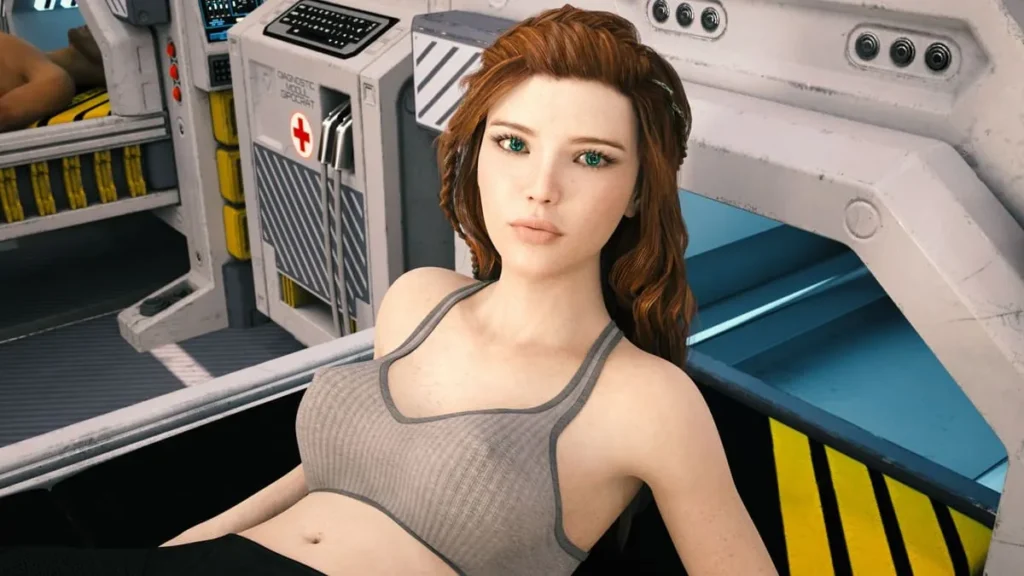
Tales from the Unending Void review
Explore the sci-fi visual novel with branching storylines, character relationships, and immersive gameplay
Tales from the Unending Void stands out as a narrative-driven visual novel that combines science fiction storytelling with player choice mechanics. This game offers players an expansive universe filled with diverse characters, branching dialogue options, and meaningful decisions that shape their journey. Whether you’re interested in understanding the core gameplay loop, exploring character development, or learning what makes this title unique in the visual novel genre, this guide covers everything you need to know about this engaging space-faring adventure.
Understanding the Core Gameplay and Story Structure
So, you’ve just started your journey into the Tales from the Unending Void gameplay, and maybe you’re wondering what you’ve gotten yourself into. 😅 I remember my first time booting it up. I was expecting a straightforward sci-fi story, but what I found was a living, breathing universe that reacted to my every whim. If you’re new to visual novels or just want to master this one, let’s break down exactly how this experience works. It’s less about reflexes and more about the weight of your decisions. Your role is that of a captain, adrift in a vast, unforgiving cosmos, and every word you say builds your legacy.
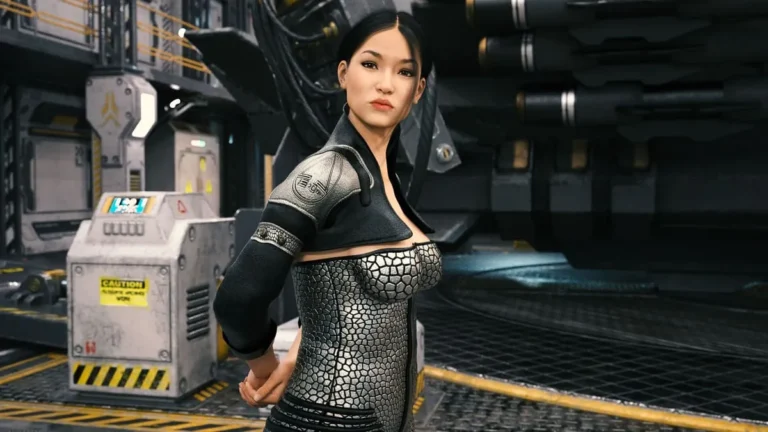
At its heart, the sci-fi visual novel story is your anchor. You’re not just reading a book; you’re living it. The game uses stunning artwork and a gripping soundtrack to pull you into a world of derelict ships, alien mysteries, and complex crew dynamics. The Tales from the Unending Void gameplay loop is elegantly simple: you read through beautifully rendered scenes, and at key moments, the game pauses, presenting you with a choice. This is where you become the author.
How the Visual Novel Format Works in Tales from the Unending Void
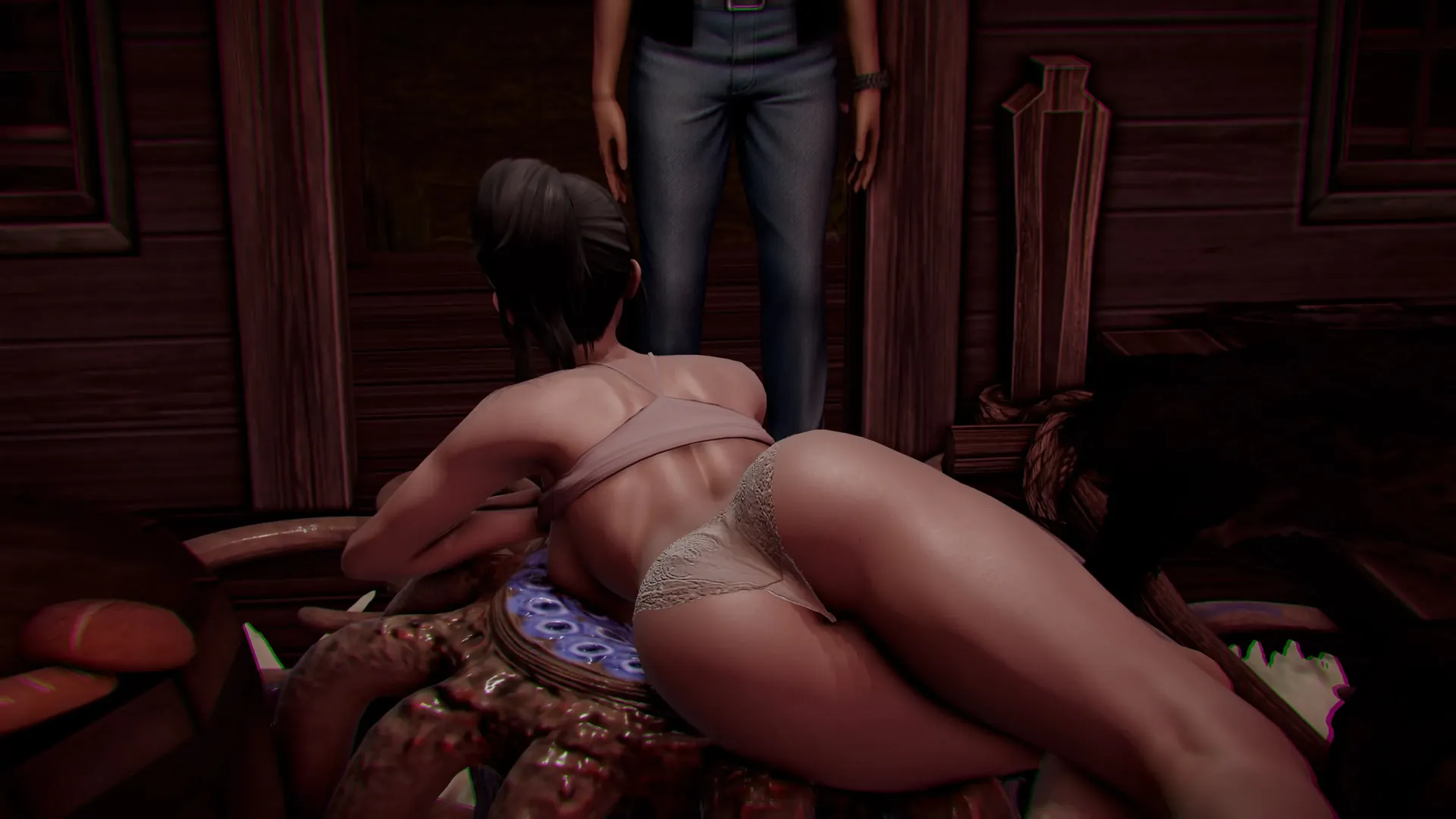
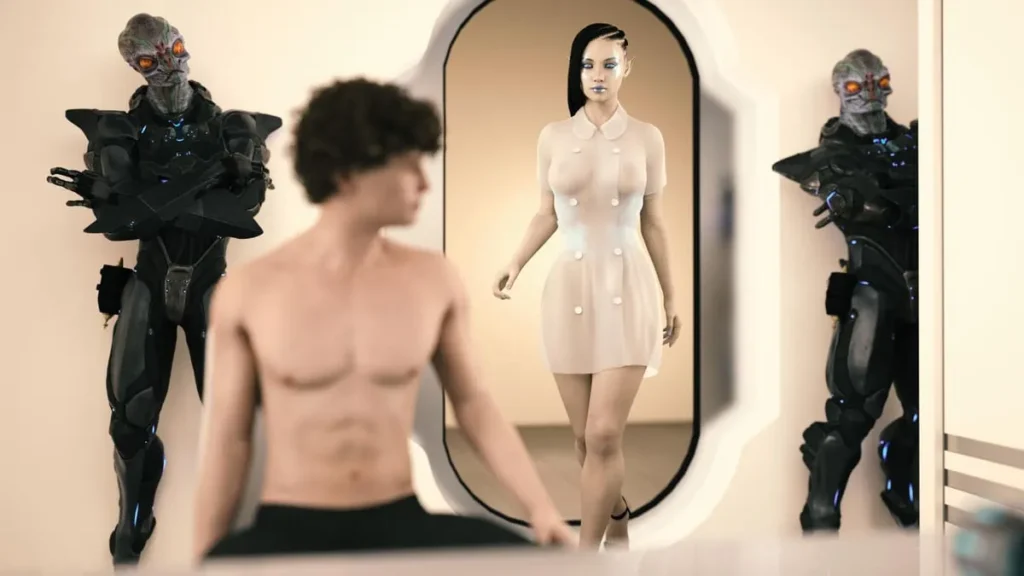
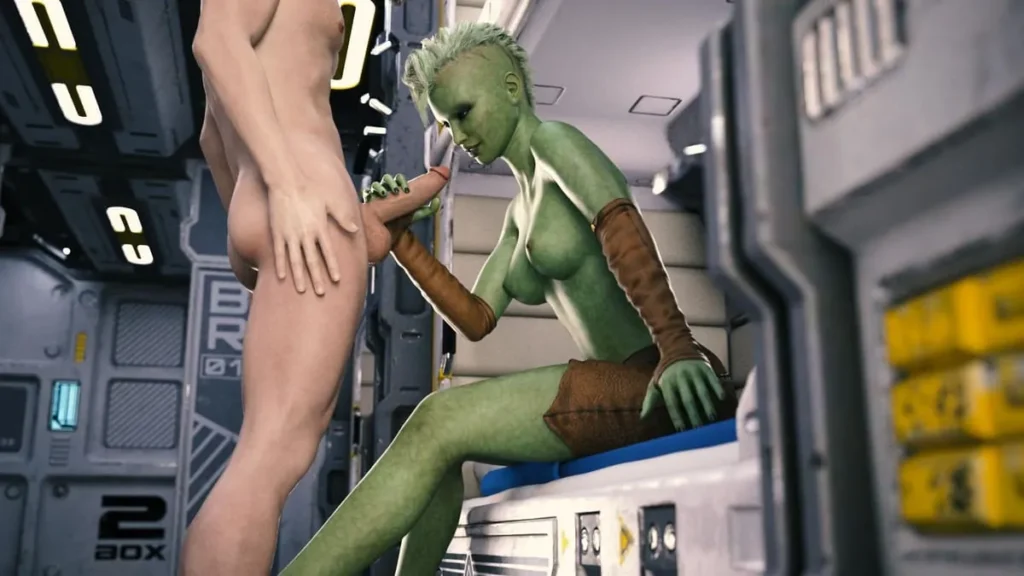
Think of the format as an interactive graphic novel on steroids. 🚀 You’ll spend most of your time immersed in static (but gorgeous) scenes—over 5000 of them, in fact! These aren’t just pretty pictures; they’re cinematic frames that advance the plot and establish mood. Every so often, these scenes come alive with more than 250 subtle animations, like a character’s thoughtful expression or the glow of a control panel, which adds a incredible layer of immersion.
The real magic, however, happens in the silence between the lines. The game is structured into digestible segments of narration and dialogue. You’ll read the thoughts of your character and the words of your crew, and then—bam—you’re presented with a set of dialogue options. This is the core of the visual novel choice system. There’s no timer, no pressure. You can sit and ponder the potential dialogue choice consequences for as long as you like. It’s this thoughtful pace that allows the rich sci-fi visual novel story to truly sink in and allows you to role-play your captain authentically.
Pro Tip: Don’t rush! The beauty of this format is its deliberate pace. Let the atmosphere soak in. Read the descriptions of the alien landscapes and the quiet moments aboard your ship. They’re full of world-building details that make your choices feel more significant.
Here’s a quick overview of what constitutes the sheer scale of this adventure:
| Feature | Details |
|---|---|
| Total Episodes | 12 |
| Visual Renders | 5000+ |
| Animations | 250+ |
| Core Interaction | Dialogue & Relationship Choices |
| Narrative Style | Branching, Personality-Driven |
Branching Narrative Paths and Player Choice Systems
Now, let’s talk about the engine under the hood: the branching narrative paths. This isn’t a fake-out system where every road leads to Rome. Your decisions carve unique canyons through the story’s landscape. However, it’s important to understand the philosophy here. The game is less about creating 50 completely different endings from the first choice and more about guiding you toward distinct versions of the journey and its outcomes.
The visual novel choice system primarily governs access. Choosing to comfort a crew member after a crisis might unlock a tender, private scene later that night, deepening your bond. Choosing to reprimand them for weakness might lock that scene away forever but could open a different path where they become fiercely disciplined. So, the dialogue choice consequences are often about character relationship mechanics and scene availability, shaping your personal story mosaic rather than rewriting the entire core plot from page one.
The genius layer is the personality system. You’re constantly choosing between two overarching attitudes:
* Understanding/Compassionate: The empathetic leader who seeks consensus and cares for the crew’s well-being.
* Harsh/Demanding: The pragmatic, results-driven captain who expects absolute efficiency.
I learned this the hard way. In one early playthrough, I played the hard-nosed commander, thinking it would earn respect. Instead, I found my character isolated, with crew members sharing fewer personal stories and becoming transactional. On my next run, choosing compassion led to secret confessions, unexpected alliances, and entirely different romantic possibilities. It fundamentally changed the flavor of the entire game.
Here are the key gameplay features you can expect from this intricate choice system:
* Relationship Locks & Keys: Choices act as keys to unlock deeper scenes with specific characters, effectively creating your own branching narrative paths for each relationship.
* The Ripple Effect: A seemingly small choice in Episode 2 might be referenced or change an interaction in Episode 7, making the world feel cohesive and reactive.
* Personality Consistency: The game tracks your tendency toward compassion or harshness, which can influence how characters perceive you in moments where no explicit choice is given.
* Content Gating: Major plot beats remain, but your journey to them—the “how” and “with whom”—is uniquely yours. This is the heart of Tales from the Unending Void gameplay.
Episode Structure and Content Volume
Let’s discuss the episode structure visual novel fans will appreciate. The saga is delivered in 12 substantial episodes, each functioning like a season of a premium TV series. 📺 This structure is fantastic for pacing. Each episode has its own mini-arc—a specific mystery, conflict, or character focus—while advancing the larger, overarching narrative of survival and discovery in the void.
This episode structure visual novel design means you get satisfying chunks of story. You can complete an episode in a few sittings, reaching a natural narrative checkpoint that leaves you eager for the next installment. It also allows the developers to pack each episode with a staggering density of content. With hundreds of unique renders per episode, the visual variety keeps the story fresh and visually engaging from start to finish.
The distribution of the sci-fi visual novel story elements across these episodes is masterful. Early episodes focus heavily on world-building and establishing the core crew dynamics—this is where you’ll do the heavy lifting in defining your captain’s personality. Middle episodes often raise the stakes with external threats and moral dilemmas, testing the relationships you’ve built. The final episodes weave everything together, where the cumulative weight of your dialogue choice consequences and character relationship mechanics truly comes to a head.
This vast amount of content (those 5000+ renders!) directly supports the branching narrative paths. Different relationship states require different scenes. If you’re close to one character, you’ll see renders and animations of intimate moments that a player on a different path will never encounter. This makes replayability not just a temptation, but a reward. My second playthrough felt genuinely different because I focused on a different set of relationships, revealing entirely new scenes and character dimensions I missed the first time.
In the end, understanding the Tales from the Unending Void gameplay is about embracing your role as a narrative sculptor. You are given a rich universe, a cast of complex characters, and the tools—through a sophisticated visual novel choice system—to shape their shared destiny. Your journey through its branching narrative paths is a personal testament to the kind of leader you chose to be in the face of the infinite unknown. So, captain, take your time. Consider your words. The void is listening, and your story is waiting to be written. ✨
Tales from the Unending Void represents a thoughtfully crafted visual novel that prioritizes character development and narrative depth alongside its other elements. The game’s strength lies in its combination of engaging sci-fi storytelling, meaningful character interactions, and quality visual presentation that elevates it above many competitors in the genre. With over 5000 renders and 250+ animations supporting a branching narrative across 12 episodes, the game offers substantial content for players seeking an immersive experience. The choice system, while focused on relationship building rather than drastically different story paths, creates meaningful consequences that encourage multiple playthroughs. As Season 2 continues development with regular updates, the game demonstrates ongoing commitment to expanding its universe and deepening player engagement. Whether you’re drawn to the sci-fi setting, character-driven storytelling, or the quality of visual design, Tales from the Unending Void delivers a comprehensive experience that resonates with players who value narrative-focused interactive entertainment.