Star Periphery
Play Star Periphery
Star Periphery Screenshots





Star Periphery review
Explore the immersive world of Star Periphery and its unique gameplay
Star Periphery is a retro sci-fi RPG that stands out for its immersive atmosphere and compelling narrative. Set in a universe filled with advanced technology and otherworldly landscapes, the game invites players to make choices that shape their journey. With a focus on futuristic design and branching storylines, Star Periphery offers a distinctive experience for fans of sci-fi and interactive storytelling. Whether you’re drawn to its atmospheric visuals or its dynamic world, this game delivers a memorable adventure.
What Makes Star Periphery Unique?
Ever booted up a game and felt like you’ve truly stepped into another world? That’s the magic trick Star Periphery pulls off within its first few minutes. It’s not just another space adventure; it’s a deliberate, lovingly crafted journey back to the roots of sci-fi storytelling, wrapped in a package that feels both nostalgically familiar and thrillingly new. As someone who’s chased that feeling across countless galaxies, I can tell you that the Star Periphery features a specific blend of atmosphere, choice, and discovery that sets it apart in the retro sci-fi RPG landscape. Let’s break down exactly what makes this experience so memorable.
Futuristic Atmosphere and Visual Design 🪐
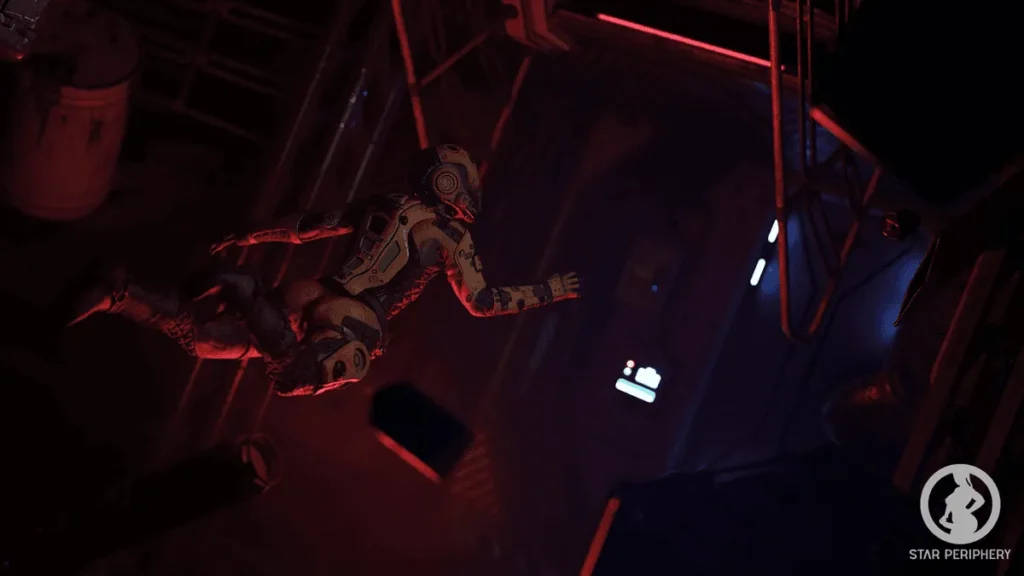
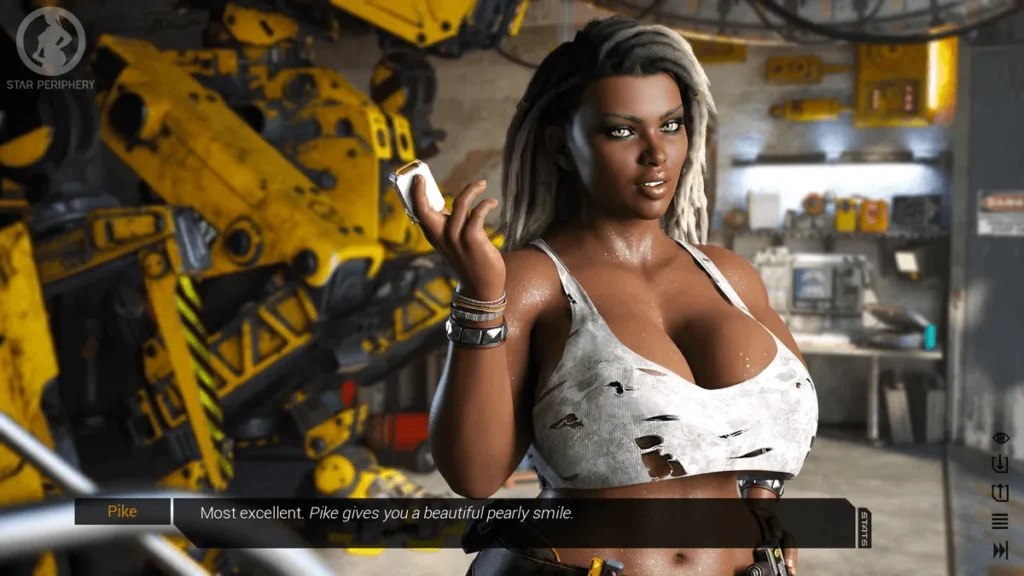
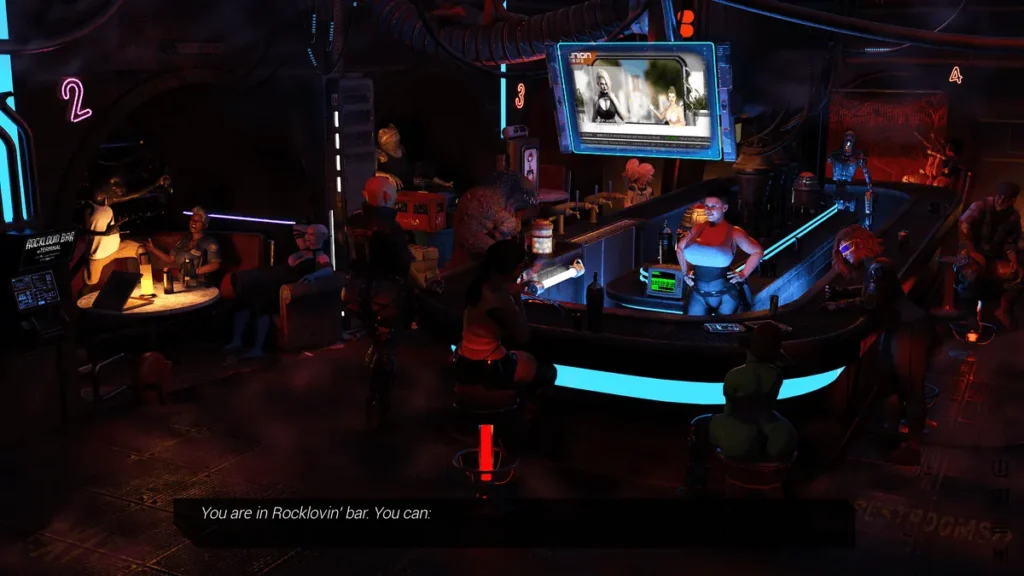
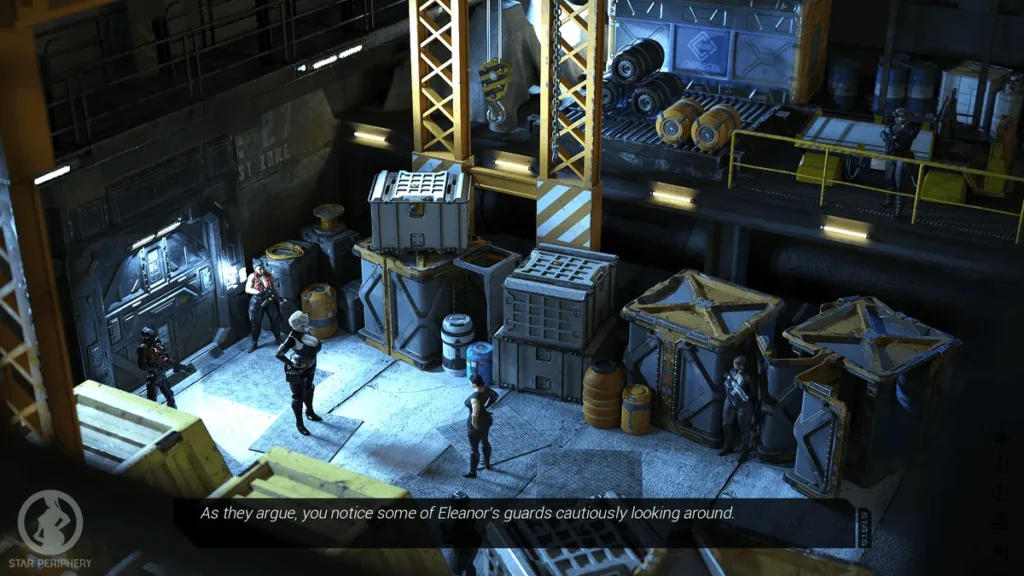
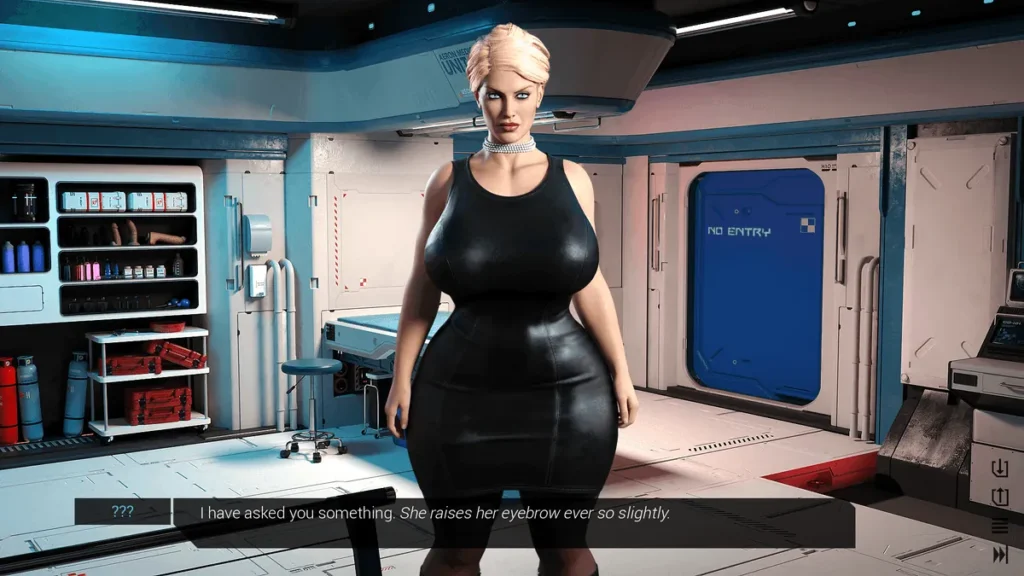
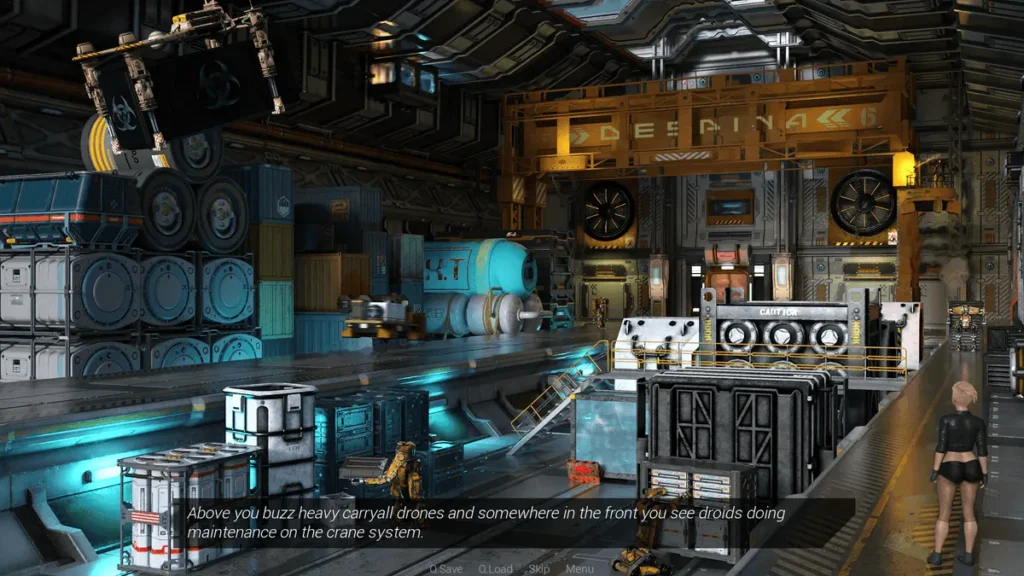
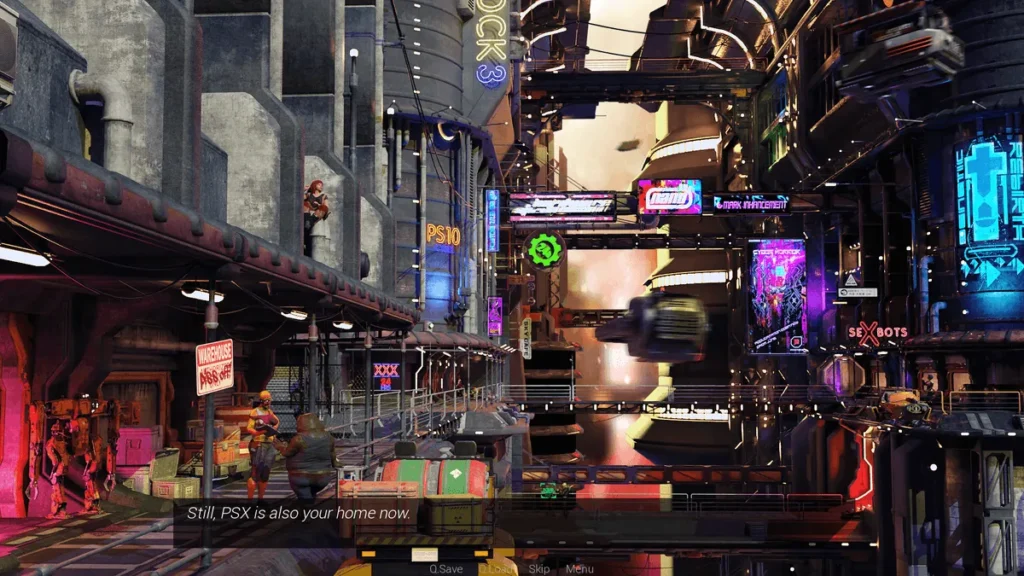
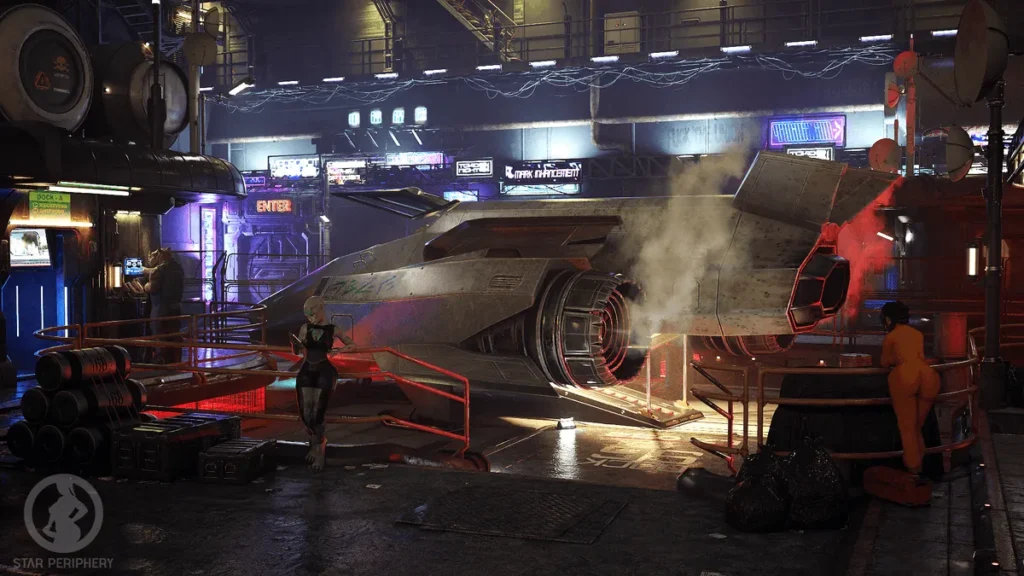
From the moment your journey begins, you’re greeted by a futuristic atmosphere that feels plucked straight from the pulpy cover of a 70s sci-fi novel. We’re not talking about sterile, chrome-plated corridors here. The world of Star Periphery is lived-in, gritty, and bursting with personality. Think flickering neon signs reflecting in perpetual rain puddles on a mining outpost, the low hum of a starship’ analog systems, and CRT monitors displaying blocky, green text. It’s a world built on the dreams of a future that once was, and it’s utterly captivating.
The visual design is a masterclass in aesthetic cohesion. Every pixel, every color palette, and every sound effect works in concert to build this believable, albeit slightly worn-out, future. I remember docking at the “Neon Bazaar” station for the first time. The air was thick with the buzz of holographic adverts, the scent of alien spices from a food stall, and the distant thrum of a malfunctioning gravity generator. I wasn’t just playing a game; I was visiting a place. This commitment to its retro sci-fi RPG vibe is one of the most compelling Star Periphery features. It doesn’t just show you a setting; it makes you feel its weight, its history, and its mood.
To give you a clearer picture of how Star Periphery stands out, let’s look at how it compares to the broader genre it lovingly echoes.
| Feature | Star Periphery | Typical Retro Sci-Fi RPGs |
|---|---|---|
| Visual Inspiration | 70s/80s pulp novel art & analog tech | Often 16-bit/32-bit console era graphics |
| Atmosphere Focus | Lived-in, gritty “used future” | Can vary between clean or dystopian |
| Audio Design | Synth-wave, ambient noise, analog sound effects | Chiptune or modern orchestral scores |
| Interface Aesthetic | Diegetic CRT monitors and in-world displays | Stylized but traditional UI menus |
This isn’t just a stylistic skin; it’s the foundational layer of immersion. Every interaction is filtered through this lens, making your role as a spacer on the fringe of known space feel authentic and tangible.
Branching Storylines and Player Choices ⚖️
If the atmosphere is the stage, then the branching storylines are the ever-changing play. Star Periphery understands that a true role-playing game lives and dies by the significance of its player choices. This isn’t an illusion of freedom; it’s the real deal. Early on, you might be tasked with recovering a stolen data core. A straightforward fetch quest, right? But then you discover the thief is a desperate colonist trying to buy medicine for their family. Do you take the core by force, fulfill your contract, and collect your credits? Do you help them find another way, burning a bridge with your employer? Or do you report the situation to a third faction, sparking a completely different chain of events?
I made a choice in a seemingly minor side mission that came back to haunt me—in the best way—dozens of hours later. An act of mercy I’d nearly forgotten about resulted in an unexpected ally swooping in during a critical story moment. The game doesn’t just track “good” or “evil” points; it remembers your actions, your tone, and your alliances. The narrative truly branches, creating a story that feels uniquely yours. This deep integration of meaningful player choices is a cornerstone of the Star Periphery features, transforming it from a story you witness to one you actively author.
Tip: Talk to everyone, and pay attention to the nuances in dialogue options. Sometimes the most impactful choice isn’t a grand “YES/NO” but a seemingly casual remark that an NPC remembers.
The branching storylines ensure that no two playthroughs are identical. You could be a heroic peacekeeper in one save and a cunning mercenary out for profit in the next, and the world will react to you accordingly. This replayability is built right into the DNA of the experience, encouraging you to explore every possible path the narrative offers.
Exploration and World Interaction 🔍
What good is a beautifully crafted world if you can’t truly poke around in it? Star Periphery treats exploration not as a side activity, but as a core pillar of the adventure. The star map is your playground, dotted with points of interest that range from derelict research vessels humming with latent energy to bustling trade hubs where you can overhear rumors in a dive bar. The joy comes from pointing your ship at an unknown signal and seeing what you find.
This is where world interaction shines. You’re not just a ghost floating through environments. You can access terminal logs to piece together the fate of a doomed crew, tamper with environmental controls to bypass a security door, or barter with a nomadic scrap dealer using items you’ve found. I once spent an hour on a seemingly empty asteroid, only to find a hidden compartment by cross-referencing a coordinate from a poetry book I’d bought three systems back. The game rewards your curiosity.
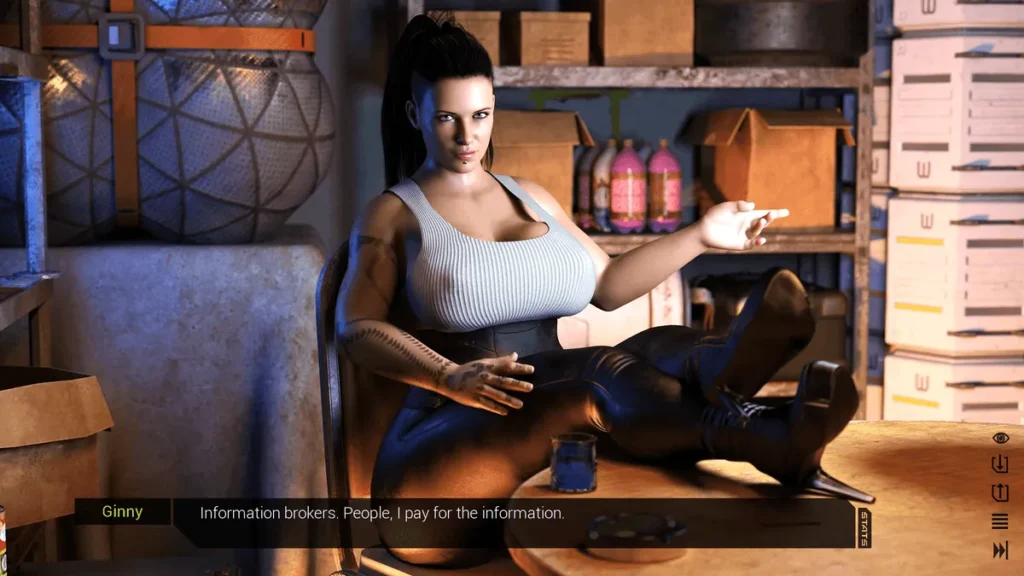
Every NPC feels like a potential source of knowledge, a quest-giver, or just a slice of world-building. World interaction is constant and meaningful. A conversation with a weary engineer might reveal a shortcut through a dangerous nebula. Helping a trader fix their comms array could unlock a new, profitable trade route for your own ship. The universe feels interconnected, and your exploration actively weaves you into its fabric.
The magic of Star Periphery is how these three pillars—futuristic atmosphere, consequential branching storylines, and rewarding world interaction—intertwine. Your choices feel weighty because the world feels real. Your exploration is compelling because the stories you uncover are yours alone. It’s a retro sci-fi RPG that doesn’t just imitate the past; it captures its spirit of boundless possibility and wonder, giving you the tools to carve your own legend in the stars. So, what kind of legend will you create?
Star Periphery offers a captivating blend of retro sci-fi visuals, branching narratives, and interactive gameplay. Its unique atmosphere and emphasis on player choices create a memorable experience for fans of the genre. Whether you’re exploring its detailed world or shaping your own story, Star Periphery stands out as a distinctive RPG adventure.