Peasant’s Quest
Play Peasant’s Quest
Peasant’s Quest Screenshots
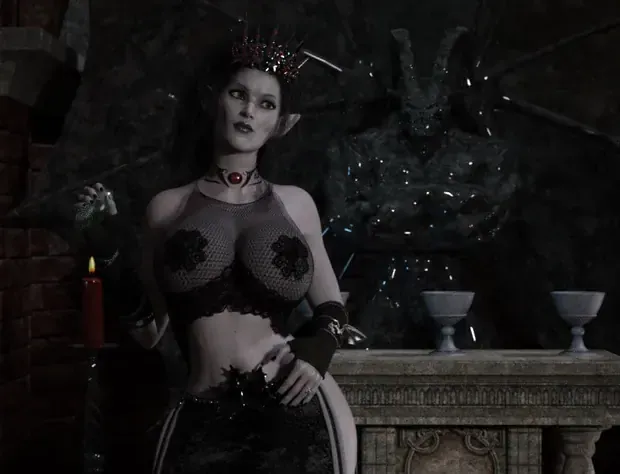
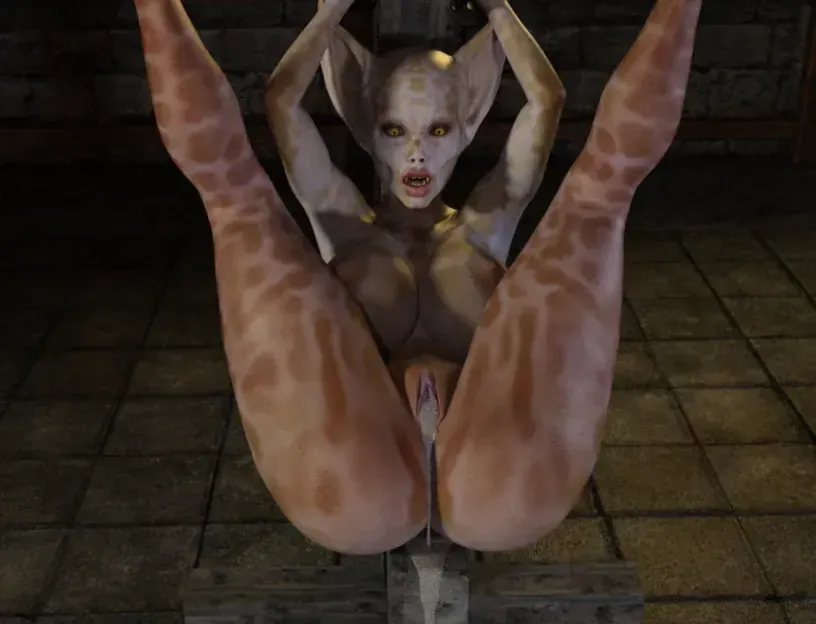
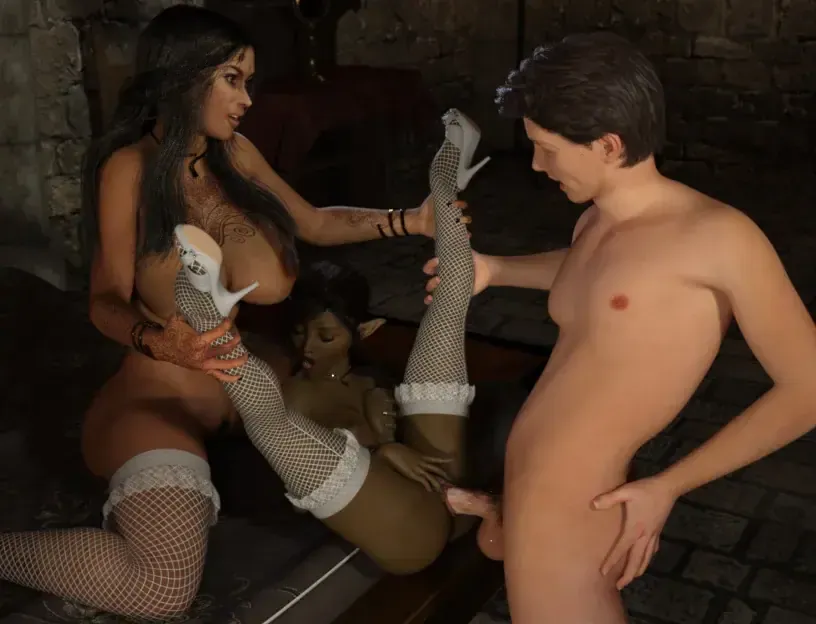
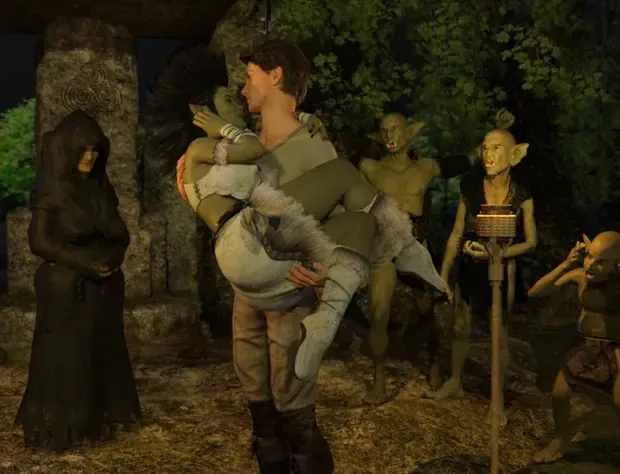
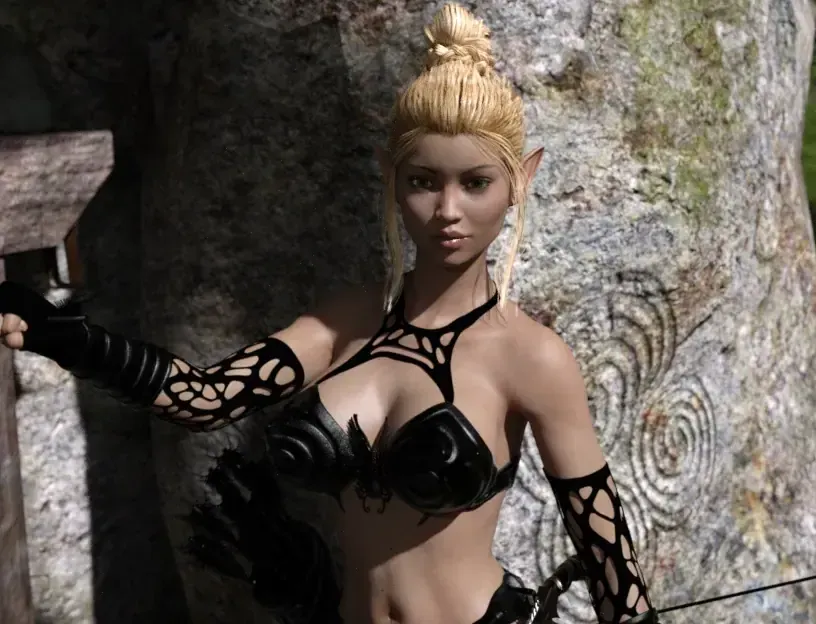
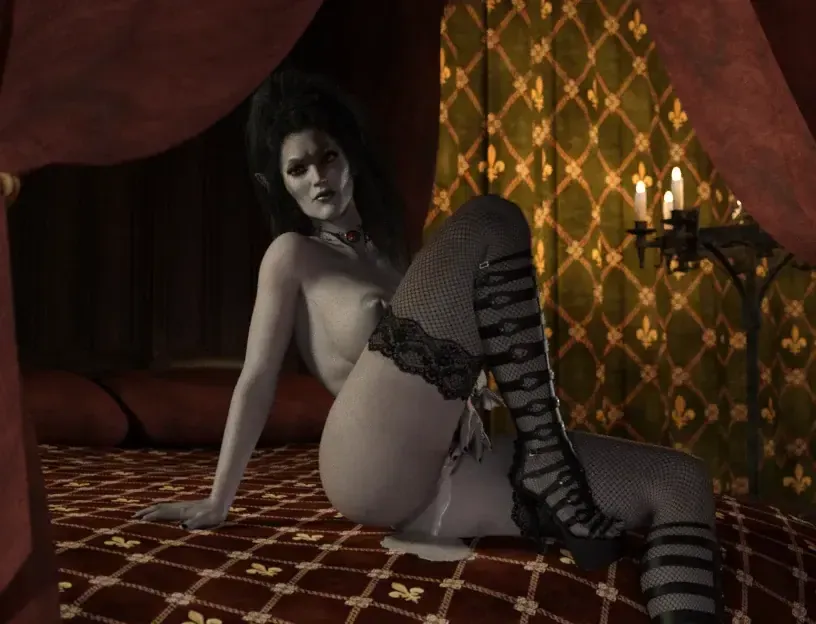

Peasant’s Quest review
Dive into the Epic RPG Where Choices Shape Your Harem Empire
Ever dreamed of rising from humble beginnings in a medieval world filled with danger, magic, and steamy encounters? Peasant’s Quest pulls you into that fantasy as a lowly villager turned hero, building a harem while battling foes and uncovering secrets. I remember my first playthrough—sneaking past orcs only to end up in a wild tribal ritual that hooked me for hours. This guide breaks down everything from core mechanics to pro tips, helping you conquer the lands and claim your rewards. Whether you’re new or grinding for that perfect ending, let’s embark on your Peasant’s Quest journey together.
What Makes Peasant’s Quest an Addictive Harem RPG?
I remember the exact moment I fell down the rabbit hole. A friend, with a knowing smirk, sent me a link saying, “Trust me, just try it.” I booted up Peasant’s Quest expecting a simple, perhaps frivolous diversion. A few hours later, I was hunched over my keyboard, utterly engrossed in trade route negotiations, debating the moral implications of liberating an elf from bandits, and meticulously planning the expansion of my modest farmstead into a fortified keep. I was hooked. This wasn’t just a game; it was a sprawling, living world where my choices—romantic, strategic, and brutal—carried real weight. So, what is Peasant’s Quest? At its heart, it’s the ultimate medieval adult RPG that masterfully asks: what if your destiny wasn’t to be the chosen hero, but to build your own empire from the dirt up, one meaningful connection at a time? 🏰
The magic lies in its potent, seamless blend. You aren’t a noble or a demigod; you’re a nobody with ambition, and that makes every victory sweeter.
How Peasant’s Quest Blends Medieval Fantasy with Adult Choices
The genius of Peasant’s Quest game design is that it never treats its mature elements as a separate, tacked-on feature. They are woven directly into the core RPG mechanics and the world’s logic. This isn’t a fantasy world with adult scenes; it’s an adult world built on a fantasy framework.
Your journey begins in mud and hardship. As a penniless peasant, your first goal is simple: survive. You forage, take on odd jobs, and maybe get robbed by goblins. But soon, your choices begin to branch out. A chance encounter with a lonely tavern keeper could lead to a partnership, then intimacy, and eventually, her managing the inn that becomes a hub for your information network. Helping a fierce, stranded warrior woman might earn her loyalty, and later, her affection, adding a powerful protector to your side. Every relationship is a narrative thread that can strengthen your position.
The game brilliantly uses mechanics like disposition and trust. A character won’t simply fall into your arms because you picked the right dialogue option once. You need to invest time, complete quests that matter to them, and make choices that align with their values. For example, showing mercy to a defeated foe might impress a noble-hearted companion, while executing them might resonate with a more pragmatic or vengeful ally. These relationships directly influence gameplay: a companion with high trust might share unique skills, provide crucial resources, or unlock special quests that reveal more about the world and their personal story.
The adult content emerges naturally from these deep connections. Scenes feel earned, a narrative payoff for investment and role-playing. Furthermore, the game explores mature themes beyond romance, including political maneuvering, the economics of running a estate, and the often-grim realities of medieval life. Your decision to engage with the local orc encounters isn’t just about combat; it could be about negotiation, trade, or forming precarious alliances that have lasting consequences for your community and your companions.
Key Features That Keep Players Coming Back for More
This Peasant’s Quest harem RPG has a deceptively simple loop that expands into an epic tapestry. The core cycle of explore, quest, build, and bond is incredibly moreish. But several unique features elevate it from great to unforgettable.
First is the sheer impact of player agency. Want to be a benevolent lord who wins hearts through charity and justice? You can. Prefer to be a cunning underworld figure who uses intimidation and shady deals? That path is fully supported. The game remembers your decisions, and characters will react to your reputation. This creates incredible replayability, as a different character build and moral compass lead to wildly different stories and alliances.
Then there are the brilliant systemic interactions. The much-talked-about slave costumes mechanic is a perfect example. Found in the world or crafted, these items aren’t just for aesthetics. Equipping a companion with one might allow them to sneak into a villain’s camp disguised as a captive, unlocking a stealth approach to a quest. Another companion might have a personal quest about reclaiming their agency, making the use of such an item a poignant narrative choice, not just a tactical one.
The Peasant’s Quest orc encounters are another standout. Interacting with the local orc tribes is a complex mini-game of diplomacy, strength, and cultural exchange. Certain outcomes can lead to unique story arcs, including the game’s nuanced handling of pregnancy mechanics, which can result in unique storylines, heirs for your legacy, or deepen bonds with certain characters in surprising ways. It’s a layer of long-term consequence few games dare to implement.
Of course, your journey to build harem in Peasant’s Quest is supported by robust RPG systems. Your character stats are the engine of your possibilities. To help you plan your rise to power, here’s a breakdown of the core attributes:
| Core Stat | Primary Effect on Harem & Relationships | Combat & Exploration Utility | Key Scene & Content Unlocks |
|---|---|---|---|
| Strength | Enables protective/rescue storylines. Impresses characters who value martial prowess. | Direct melee damage, carrying capacity, forcing doors/gates. | Unique romantic outcomes after winning tournaments or duels. Access to certain companion quests requiring physical feats. |
| Charisma | Essential for peaceful recruitment, persuasion, and smoothing over conflicts within your group. | Can sometimes avoid fights through intimidation or diplomacy. Better prices at markets. | More dialogue options during intimate moments. Ability to resolve companion conflicts peacefully, leading to special group scenes. |
| Stealth | Allows for secret meetings and acquiring “forbidden” knowledge about potential companions. | Avoid ambushes, set up surprise attacks, pick locks, sneak past guards. | Opportunities for clandestine encounters. Unlocks alternative paths in quests that can lead to unique romantic conclusions. |
These stats don’t exist in a vacuum. A high Charisma might let you befriend a lonely witch in the woods, while a high Strength might be needed later to help her gather a dangerous ingredient, deepening the relationship through action. This interconnectedness is key to the addiction.
Why Peasant’s Quest Stands Out in Adult Gaming
Let’s be honest: the niche of medieval adult RPG titles is crowded. Many offer fantasy or titillation. Peasant’s Quest stands apart by offering a genuine, compelling role-playing game first, where adult elements are a natural part of the world and character development. The primary drive isn’t just accumulation; it’s narrative creation and empire-building.
In most games, “building a harem” might be a checklist. Here, it’s about building a community, a family, and a legacy. Each companion has desires, fears, and opinions that clash or harmonize with others. Managing these dynamics—throwing a feast to boost morale, mediating a dispute, or choosing who to take on a dangerous dragon-slaying mission—feels impactful. You’re not collecting trophies; you’re nurturing a network of allies who make your empire possible.
The game also respects your intelligence. A Peasant’s Quest walkthrough can help you find every secret, but the game doesn’t handhold. Figuring out that you can use a character’s herbalism skill to create a potion to safely navigate a poisoned forest, or that investing in your village’s mill will eventually attract a skilled baker with her own troubled past, feels like a personal discovery. This sandbox-style approach to storytelling, where you connect the dots between systems, is profoundly satisfying.
My #1 tip for new players? Focus on Stealth and Charisma early. Being able to avoid unwinnable fights and talk your way into (or out of) situations gives you the breathing room to explore, gather resources, and lay the groundwork for your future empire without constant reloading.
I recall one playthrough where I aimed to be a shadowy spymaster. I used Stealth to gather blackmail, Charisma to turn agents, and avoided direct combat. My “harem” was a network of informants, seduced officials, and cunning partners-in-crime. It felt completely different from my first run as a honorable knight-errant, yet both were perfectly valid and richly supported by the game’s systems.
Finally, the active modding community and consistent updates from the developers extend the life of the game enormously. New characters, quests, and mechanics are regularly added, often incorporating clever ideas from players. Looking up a Peasant’s Quest walkthrough often leads you to discover whole new official events or highly-polished fan expansions you never knew existed.
So, if you’re wondering what is Peasant’s Quest truly about, it’s about the stories you create. It’s about the tension of choosing between a strategically valuable marriage and following your heart with a commoner. It’s the triumph of seeing your wooden palisade become a stone keep, guarded by people who care for you. It’s an epic where you define what “epic” means, one intimate, strategic, and world-shaping choice at a time.
To launch your own saga successfully, here are five pro tips I wish I knew when I started:
- Invest in Your Home Early: That rundown farmstead is your cradle of power. Early upgrades, especially to security and lodging, unlock new dialogue options with companions and provide crucial safe storage.
- Talk to Everyone, Twice: NPC dialogue often changes after you complete a major event or gain a new companion. Critical quest hooks and relationship opportunities are hidden in these follow-up chats.
- Diversify Your Companions’ Skills: Don’t just recruit fighters. A companion skilled in crafting, alchemy, or diplomacy can solve problems that brute force cannot, unlocking wealth and narrative paths.
- Save Before Major Tribe Interactions: The Peasant’s Quest orc encounters are complex and have long-term repercussions. Save before engaging so you can experience the different branching outcomes.
- Embrace Failure as a Story Beat: A failed persuasion check or a lost battle isn’t always a reason to reload. Sometimes, the resulting capture, debt, or rivalry leads to the most memorable and unique story arcs the game has to offer.
Peasant’s Quest transforms a simple peasant’s life into an epic tale of conquest, alliances, and intimate triumphs that you’ll replay endlessly. From outsmarting orcs to forging your harem legacy, every choice shapes your story in thrilling ways. My own adventures taught me that bold risks lead to the best rewards—grab the latest version, dive in, and share your wildest runs in the comments. Ready to claim your throne? Start your quest today and see where your path leads.