
Healslut
Play Healslut
Healslut Screenshots






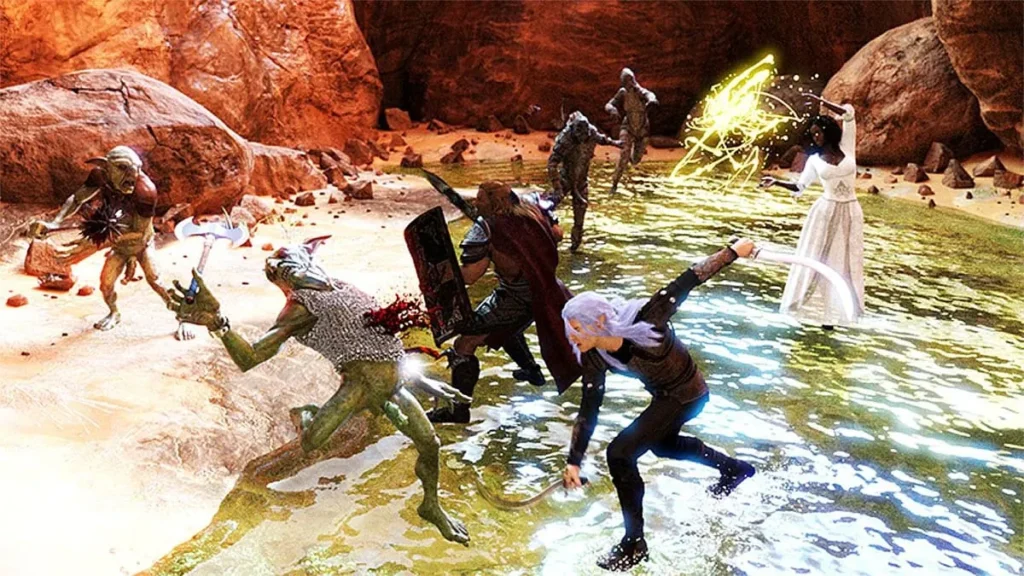

Healslut review
An In-Depth Look at Healslut, Its Gameplay, and Community Impact
Healslut is a distinctive adult-themed game that blends gameplay mechanics with a niche community culture. Centered around a unique concept of healing roles within a provocative context, Healslut offers players an experience that challenges traditional game roles and explores identity through interactive play. This article dives into the core elements of the Healslut game, its gameplay features, community dynamics, and what makes it stand out in the adult gaming scene.
Understanding Healslut: Gameplay and Mechanics
Ever stumbled into an online game and found yourself utterly captivated, not just by the quests or the loot, but by the people and the unexpected roles they play? 😊 That’s the door the Healslut game opens. It’s a fascinating, niche corner of adult gaming that takes a familiar MMO archetype—the dedicated healer—and spins it into something deeply personal, interactive, and charged with a unique energy. It’s less about slaying dragons and more about exploring dynamics, trust, and a very particular kind of power exchange.
Let’s pull back the curtain and understand what makes this experience tick, from its roots to how it completely reimagines teamwork.
### What is Healslut? Origins and Concept
So, what is this Healslut concept all about? 🤔 At its heart, it’s a roleplaying framework that blends traditional video game support roles with themes of submission, service, and reward. The term itself originated within online gaming communities, particularly around titles like Overwatch or World of Warcraft, where a player (the “healslut”) adopts the healer or support role not just as a strategy, but as a form of identity and interaction.
The core idea is a consensual dynamic where one player’s effectiveness in-game—their healing, buffing, or resource management—is directly tied to a psychosensual or rewarding feedback loop with another player (often a “tank” or dominant “DPS”). For instance, keeping a partner alive might be “rewarded,” while letting them fall in battle might lead to playful “correction.” It transforms the healing mechanics from a mundane task into a central channel for communication and connection.
It’s crucial to understand this isn’t about the game itself providing adult content. Instead, players import this dynamic into existing games, using voice chat, text, or external tools to create their own layered experience. The Healslut game is, therefore, a meta-game—a set of social rules and roleplay played on top of a conventional video game. It’s about the stories you create with others, turning a routine dungeon run into a collaborative narrative of service and control.
I remember a friend, let’s call her Mia, telling me about her first time trying it. “I’ve always mained healers,” she said. “But it felt like a chore. Then I tried exploring the Healslut gameplay mindset with a trusted partner. Suddenly, watching their health bar wasn’t just my job; it was my focus. A perfectly timed heal felt incredibly satisfying in a whole new way. It made me see the game—and my role in it—completely differently.” This shift in perspective is the magic of the concept.
### Core Gameplay Features and Player Roles
Diving into the Healslut gameplay, you’ll find it’s built on clearly defined, consensual roles that structure the interaction. It’s a dance between two (or sometimes more) players, each with their own set of expectations and contributions.
The two primary Healslut player roles are:
- The Healslut (or Support Submissive): This player takes on the healer or support class in-game. Their gameplay is focused entirely on aiding their partner. Success is measured not just by victory screens, but by their partner’s approval. Their “toolkit” often includes exaggerated praise, admitting mistakes, and seeking guidance. Their objective is service through gameplay.
- The Dominant (or Tank/DPS Dom): This player typically takes a front-line role like a tank or a high-impact damage dealer. They lead the action, set the pace, and provide the feedback—both positive and corrective—that guides the healslut’s actions. Their role is to direct, protect, and engage with the service being provided.
But how does this actually play out? Here are some common interaction styles and features:
- Verbal Feedback Loop: This is the engine of the experience. The dominant might praise good heals over voice chat, or command the healslut to use specific abilities. The healslut might verbally acknowledge their dependence or ask for instructions.
- Gameplay-Linked Rewards/Punishments: These are agreed-upon consequences tied to in-game performance. A perfect boss fight might lead to a reward later, while a wipe caused by a missed heal might mean the healslut has to apologize or perform an in-game “penance,” like collecting extra materials.
- Consent and Negotiation: This is the most critical, non-negotiable feature. Before anything begins, players discuss boundaries, limits, safe words, and the exact nature of the dynamic. This ensures the experience is safe, enjoyable, and respectful for everyone involved.
Practical Advice: If you’re curious about exploring these adult game roles, start with a conversation outside the game. Discuss what you both want from the experience, set clear boundaries, and establish a safe word. This foundation makes the actual play infinitely more enjoyable and secure. 🔐
The community itself is a core feature. On platforms like Discord, you’ll find entire servers dedicated to the Healslut game, where people share experiences, find vetted partners, and discuss the nuances of their roles. It’s a space that emphasizes communication and mutual respect above all else.
### How Healslut Redefines Healing Mechanics
In most games, healing is a transactional mechanic. You press a button, a health bar refills. It’s functional, often stressful, and can feel thankless. The Healslut concept dismantles this entirely, injecting narrative, emotion, and personal stake into every action.
It redefines these unique game mechanics by making them relational. A heal is no longer just a number; it’s an act of devotion. A resource management choice becomes a moment of seeking approval. The game’s UI transforms into a canvas for a shared story. This turns the often-overlooked support role into the star of the show, centering their contribution in a deeply affirming way.
Think about the traditional healer experience: pressure, blame for wipes, and a focus on cold efficiency. Now, contrast it with the Healslut framework, where the same actions are wrapped in a context of positive reinforcement, clear communication, and shared purpose. The mechanic is the same, but the meaning is utterly transformed.
To see this shift clearly, let’s break it down:
| Traditional Healing Role | Healslut Healing Mechanics |
|---|---|
| Focus: Team victory and objective completion. | Focus: Partner’s survival and satisfaction as primary objective. |
| Feedback: Scoreboards, win/loss stats, sometimes teammate complaints. | Feedback: Direct, personal praise or instruction from a partner. |
| Emotional Tone: Often stressful, anonymous, performance-based. | Emotional Tone: Intimate, connected, with an emphasis on service and dynamic. |
| Player Motivation: Winning the game, climbing ranks, getting loot. | Player Motivation: Fulfilling a role, pleasing a partner, exploring a dynamic. |
| Mechanics are: A means to a competitive end. | Mechanics are: The core language of a consensual interaction. |
This table highlights the fundamental paradigm shift. The unique game mechanics aren’t about new buttons to press; they’re about a new context for pressing the old ones. 😲 The community impact of this is significant. It creates micro-communities built on trust and specific interests. It provides a space for people to explore aspects of identity and interaction that mainstream gaming rarely touches, all while emphasizing the absolute necessity of consent and communication.
In the end, the Healslut game is a testament to how players can reshape the tools they are given into something profoundly personal. It takes the healing mechanics we know and layers them with human connection, turning a support role into a leading role in a private, collaborative story. Whether it’s your thing or not, its existence showcases the incredible creativity and social complexity that blooms within gaming communities. It’s a reminder that sometimes, the most compelling game isn’t the one you buy, but the one you build with others. ✨
Healslut stands out as a game that creatively blends adult themes with innovative gameplay centered on healing roles. Its unique approach invites players to explore identity and interaction in ways that traditional games do not, fostering a vibrant community around its concept. Whether you are curious about its mechanics or interested in its cultural impact, Healslut offers a compelling experience worth exploring. Dive into the game and discover how it reshapes the boundaries of adult gaming.