Play Grandma’s House: College Days
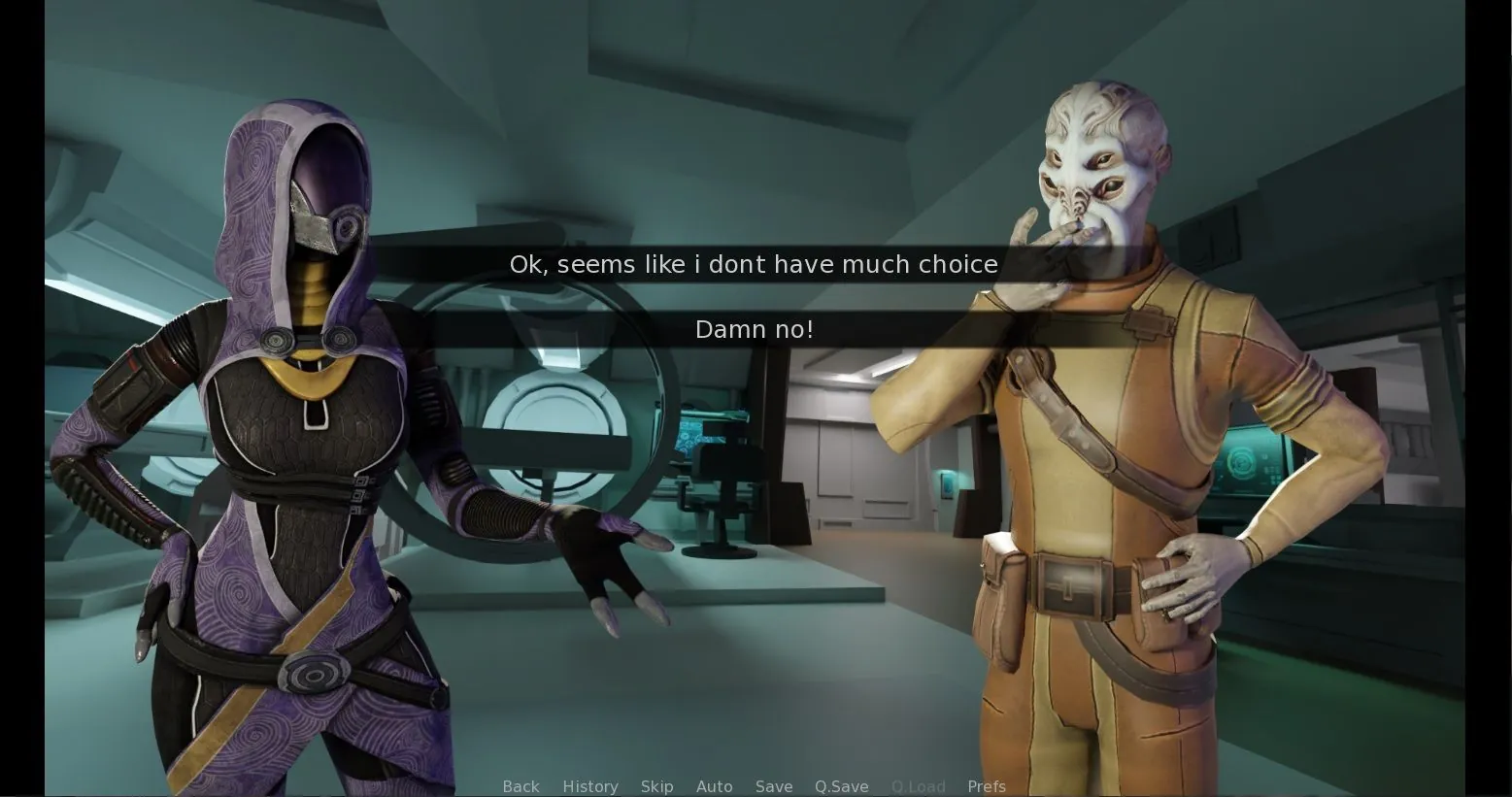
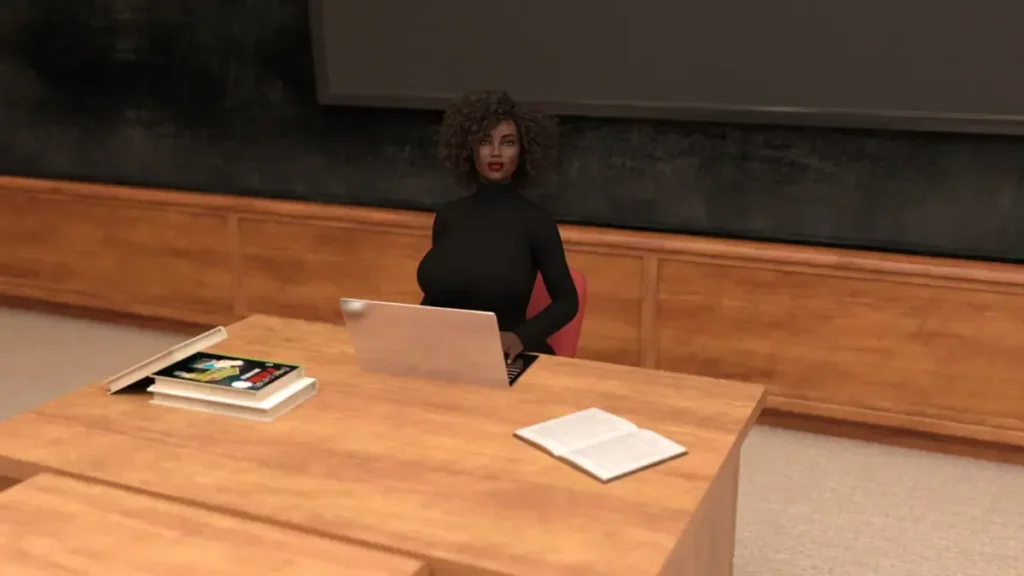
Grandma’s House: College Days Screenshots




Grandma’s House: College Days review
Comprehensive walkthrough, mechanics, and player tips for Grandma’s House: College Days
Grandma’s House: College Days places the player in a returning-student storyline that blends narrative choices with exploration-driven scenes, and this guide dives into everything you need to play and understand the game. In this article about Grandma’s House: College Days I share hands-on tips, a chaptered walkthrough, and practical advice based on personal playthroughs to help you progress, unlock content, and avoid common pitfalls. Whether you’re starting your first playthrough or aiming for 100% completion, this guide will keep the experience clear and actionable.
Gameplay Overview and Story Beats
What is Grandma’s House: College Days? 🎓
Picture this: you’re a college student who, let’s just say, made some interesting financial decisions. Facing eviction, your only lifeline is a quirky, last-minute offer to house-sit for your Grandma. You arrive expecting a quiet few weeks of solitude, only to discover her home is a sprawling, eccentric mansion filled with mysterious locked doors, odd gadgets, and a cast of equally quirky neighbors who seem to know more about your family than you do. That’s the delightful and often hilarious premise of Grandma’s House: College Days.
At its heart, this game is a narrative-driven visual novel with a strong focus on exploration and choice. The tone masterfully blends cozy slice-of-life moments with a growing sense of mystery and underlying supernatural weirdness. One minute you’re figuring out how to work a vintage coffee maker, and the next, you’re uncovering cryptic notes about your family’s past. My first impression was pure, cozy charm, which made the moments of genuine surprise and intrigue hit all the harder. Understanding the Grandma’s House: College Days gameplay is about embracing this duality—it’s part life-sim, part detective story, all wrapped in a warm, nostalgic aesthetic.
The core loop of how to play Grandma’s House: College Days involves navigating your days, making choices that shape your relationships, and slowly peeling back the layers of the house’s many, many secrets. It’s immersive in the best way, pulling you into a world where every click can lead to a new discovery or a meaningful conversation.
Core mechanics and interface 🎮
Let’s get into the nuts and bolts. The Grandma’s House: College Days mechanics are elegantly simple, putting the story front and center. You navigate through beautifully drawn, static scenes. When you move your cursor, interaction prompts (like a hand icon or a text label) will appear on items or characters you can engage with. Clicking initiates an action—examining an object, picking it up, or starting a conversation.
Dialogue is choice-based, and these choices are the engine of the game. There’s no traditional inventory or complex stat system; instead, the game tracks your relationships and story flags internally. Your choices act as keys, unlocking new scenes, dialogue branches, and ultimately, different endings. The game interface Grandma’s House uses is clean and intuitive. Key elements are always accessible:
- Menu/History: Accessible usually by right-clicking or a corner button, this lets you review recent dialogue—a lifesaver if you click too fast!
- Save/Load: You’ll find a robust save system, allowing for multiple slots. I cannot stress this enough: USE THEM. The branching narrative makes frequent saving essential.
- Scene Gallery/Extras: As you unlock special scenes (often through specific choices), they’re typically archived in a gallery you can revisit from the main menu.
- Auto-Read & Text Speed: Perfect for when you want to just lean back and watch the story unfold.
Controls are straightforward. On PC, it’s primarily mouse-driven (left-click to advance, right-click for menus). The mobile version translates this into a clean tap-to-advance interface. Here’s a quick breakdown of the primary controls:
| Action | PC Control | Mobile Control |
|---|---|---|
| Advance Text / Select | Left Mouse Click / Spacebar | Tap Screen |
| Open Menu / Back | Right Mouse Click / Escape | Tap Menu Button |
| Toggle Auto-Read | A Key | Tap Auto Button (on-screen) |
| Open History/Log | Ctrl or H Key | Tap History Button (on-screen) |
Pro Tip: The game doesn’t hold your hand with a quest log. Get into the habit of taking mental (or actual!) notes on mysterious clues or promises you make to characters. It pays off.
To get off to a flying start, follow this quick checklist for your first in-game day:
- Save, Then Save Again: Before any major conversation or exploration, create a new save file. This is the golden rule for any Grandma’s House: College Days walkthrough.
- Explore Every Nook: On your first morning, click on everything in your starting room and the immediate common areas. Many early clues are environmental.
- Talk to Everyone: Don’t rush dialogues. Exhaust all conversational options with any character you meet to establish relationships and gather information.
- Observe Choice Consequences: Pay attention to how characters react to your dialogue picks. A seemingly small, snarky comment can close off a friendly path later.
Narrative structure and day cycle 📖
The story in Grandma’s House: College Days unfolds over a structured series of days, creating a perfect rhythm between free exploration and key narrative beats. Each “day” or chapter presents you with a new main environment to explore (a floor of the house, the garden, the local town) and a set of characters to interact with. Time progresses as you exhaust the available interactions and make pivotal choices.
This Grandma’s House: College Days gameplay structure is deceptively simple. Each day, you have a limited amount of “actions” or key interactions before the narrative pushes you toward a story-critical moment or decision that ends the day. This creates fantastic pacing—you feel the freedom to explore at your own speed, but the story always has forward momentum. It masterfully avoids feeling like a tedious checklist.
The branching is where the magic happens. Your choices don’t just alter the next line of dialogue; they can unlock entire scenes, change character relationships, and plant seeds for payoffs much later. Let me share a personal moment that stunned me. Early on, I met a neighbor who seemed overly nosy. Given the option, I chose to be politely evasive rather than share my personal worries. I didn’t think much of it until two “days” later, when that same neighbor was cold and distant, refusing to give me a crucial item needed to repair a broken family heirloom. I had to find a much more convoluted way to progress. It was a brilliant lesson: in this game, every social interaction is a potential investment or a locked door.
The game does signal heavier content. While it’s largely charming, some story paths explore mature themes like family conflict, financial stress, or supernatural peril. The game often gives subtle warnings through tonal shifts in music or more serious dialogue options. When you see a choice that feels significantly more aggressive, secretive, or emotionally charged than the others, it’s likely a major branch point.
Your ultimate goal is to uncover the full story of the house and your family while surviving your financial crisis. There isn’t a single “correct” path, but rather a mosaic of endings based on the relationships you’ve nurtured and the truths you’ve prioritized discovering. This makes the Grandma’s House: College Days mechanics of choice and consequence incredibly rewarding. My best advice? On your first playthrough, don’t try to game the system. Play as you naturally would, make choices that feel right to you, and let the unique story unfold. The beauty of this Grandma’s House: College Days walkthrough of life is that you can always go back with a new save file and explore a different path, leading to a completely new college experience.
Grandma’s House: College Days is a narrative-driven title with branching choices, relationship-driven scenes, and multiple endings—perfect for players who enjoy replaying to discover alternate outcomes. This guide provided practical gameplay explanations, character and relationship insights, progression strategies, technical and safety tips, and community-oriented advice drawn from hands-on experience. If you found these tips useful, try a playthrough focused on a single character to see how choices ripple across the story, and share your findings with other players to help refine strategies.