Dreaming of Dana
Play Dreaming of Dana
Dreaming of Dana Screenshots



Dreaming of Dana review
Master every character route, affection system, and ending in this dating simulation experience
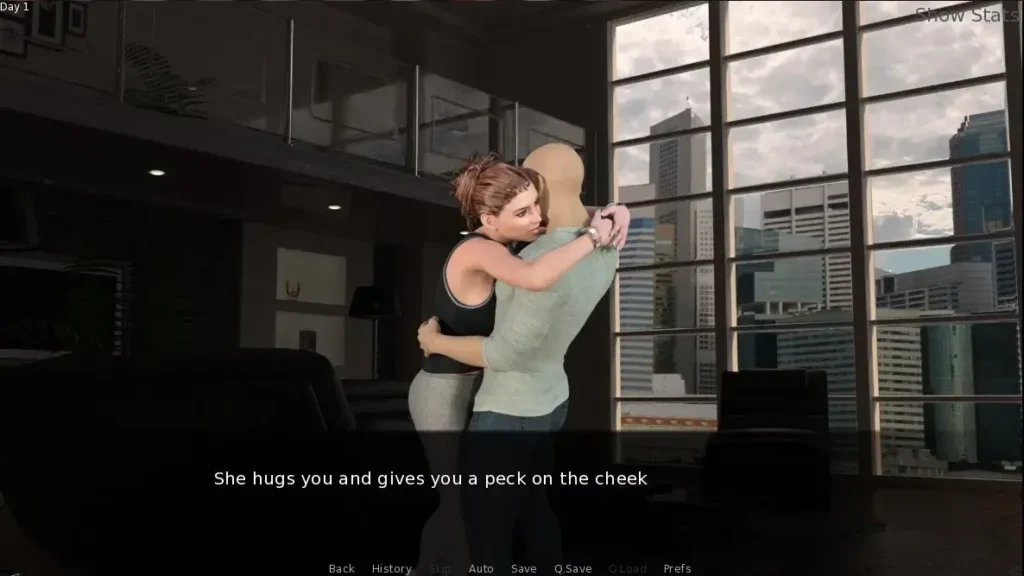
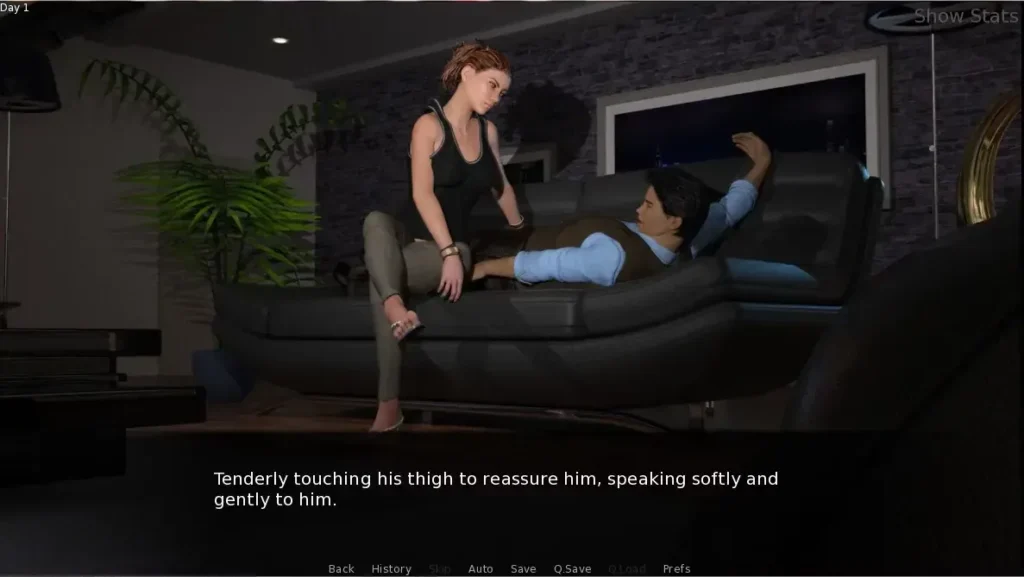
Dreaming of Dana is a complex dating simulation game that challenges players to navigate multiple character relationships, manage affection and attraction systems, and unlock various endings based on their choices. Whether you’re aiming for a specific character route or trying to achieve all endings, understanding the game’s mechanics is essential. This guide covers everything from basic gameplay fundamentals to advanced strategies for maximizing points, unlocking weekend dates, and experiencing all the game has to offer. Learn how to approach each character effectively, make the right dialogue choices, and discover the consequences of your decisions throughout the game.
Understanding Dreaming of Dana Gameplay Mechanics
Ever felt like you’re just clicking through Dreaming of Dana, hoping for the best, only to end up with a character who seems vaguely annoyed with you? 🙃 You’re not alone. When I first started, I thought showering Dana with compliments was the golden ticket. Turns out, my “Perfect” dialogue choice in one scene completely locked me out of a weekend event I’d been working toward for hours! This game’s character relationship system is deceptively deep, and mastering it is the difference between a frustrating experience and unlocking the rich, branching stories hidden within.
At its heart, Dreaming of Dana is a masterclass in dating simulation game mechanics. It doesn’t just track how much a character likes you; it tracks why and how they like you. Every choice sends ripples through the narrative. This chapter of our Dreaming of Dana gameplay guide is your blueprint. We’re breaking down the dual-point engine that drives every romance, the careful dance of weekday and weekend interactions, and how your words truly shape your destiny. Let’s dive in.
How the Affection and Attraction Point System Works
Forget a simple love meter. 🧠 The Dreaming of Dana point system is a sophisticated, two-track mechanic that governs every interaction. Understanding this is the absolute key to guiding relationships in your desired direction.
You are simultaneously building two separate scores for each character: Affection Points and Attraction Points.
- Affection Points represent trust, emotional closeness, and genuine friendship. These are earned through supportive dialogue, respectful interactions, and shared moments of vulnerability. High affection is often the gateway to deeper, more personal storylines and is crucial for most character endings.
- Attraction Points represent physical chemistry, flirtation, and romantic or sexual tension. These are gained through playful teasing, confident (or bold) dialogue options, and intimate moments. Building attraction is essential for unlocking more passionate scenes and certain relationship paths.
Pro Tip: Don’t ignore one for the other! Most compelling endings require a careful balance. A relationship with max Attraction but low Affection might feel hollow and short-lived, while high Affection with no Attraction could land you permanently in the “friend zone.”
Your primary tool for managing these points is the dialogue wheel. The game rarely gives you “good” or “bad” choices. Instead, it offers choices that align with different personality tracks. Here’s a breakdown of common option types and what they typically influence:
| Dialogue Choice Type | Primary Point Reward | Character Reaction & Long-term Effect |
|---|---|---|
| Innocent / Shy | High Affection | Builds comfort and trust. Can lead to sweet, slow-burn romance paths. May cause you to miss opportunities for more direct progression. |
| Perfect / Charming | Balanced Affection & Attraction | The “safe” path for building a well-rounded connection. Unlocks standard story progression and is key for many main endings. |
| Insist / Bold | High Attraction | Accelerates physical intimacy and can unlock exclusive scenes early. Risks making characters uncomfortable if chosen without enough Affection as a foundation. |
| Neutral / Practical | Low Points of either type | Keeps the story moving without major shifts. Useful if you’re trying to avoid certain paths or trigger a specific, less common outcome. |
This is where those dialogue choice consequences become palpable. Early in my playthrough with Sarah, I consistently chose “Insist” options to raise Attraction quickly. By the second week, she was receptive to flirting. However, when a story crisis hit, my low Affection score meant she didn’t trust me enough to confide in me, and I failed a critical story check, locking me into a less ideal ending branch. The game remembers everything!
Beyond dialogue, your actions matter. Visiting a character at their office versus meeting them at a cafe, choosing to go home early or suggesting a nightcap—these location-based decisions often have preferred point payouts. Random events also trigger based on your point thresholds with characters. You might get a surprise phone call when your Affection hits 30, or a character might seek you out for a private word when your Attraction reaches 40.
Navigating Weekday vs Weekend Dates and Unlocking Content
The flow of time in Dreaming of Dana is a structured dance, and knowing the rhythm is crucial for unlocking weekend dates and the premium content they hold. 🗓️ The game operates on a chapter-based weekly schedule: you have a series of mandatory weekday scenes (usually Monday-Friday), followed by the potential for optional weekend time.
Here’s the golden rule: Weekend dates are almost always locked behind specific progress in the weekday chapters. You can’t just jump to the good stuff. The game uses the weekday sequences to establish context, build tension, and—most importantly—set flags that make you eligible for weekend invitations.
The weekday scenes are where you do the heavy lifting of the Dreaming of Dana affection points and Attraction grind. You’ll navigate story beats, make those critical dialogue choices from the table above, and hopefully hit the invisible point thresholds the game requires. If you succeed, you’ll often be presented with an option to ask a character out, or they might ask you, triggering a special weekend event.
Now, let’s talk about the Skip Weekend button. This isn’t just a fast-forward tool; it’s a strategic gameplay element. If you haven’t met the requirements to trigger any character’s weekend event, the game will offer to let you skip ahead to the next week. This is fantastic for efficiency, but use it wisely!
Personal Insight: I once skipped a weekend hoping to trigger a specific event the following week, only to learn that some weekend scenes are only available in a certain story chapter. By skipping, I had permanently missed that unique content for that playthrough. The lesson? Always check your available invites before hitting skip!
The weekend dates themselves are the payoff. They are longer, more intimate, and often feature unique story beats and artwork not seen elsewhere. Success here can award massive point boosts or set flags for even later exclusive content. Failure (through poor dialogue choices) can not only waste the opportunity but can sometimes cause a significant relationship backslide.
To ensure you’re on the right track, here’s a step-by-step progression checklist for your first playthrough:
- Week 1 Focus: Experiment! Talk to everyone. Use different save slots to test how dialogue options change character reactions. Don’t worry about optimization yet.
- Mid-Game Check (Weeks 2-3): Start specializing. Choose one or two characters whose stories resonate with you and focus your dialogue choices on aligning with their personality (refer to the table above).
- Pre-Weekend Prep: Before the weekend prompt, check your relationship logs. If you haven’t received any hints or invitations, your points are likely too low. Consider reloading a save from earlier in the week.
- Weekend Strategy: During a weekend date, save at the start. These scenes are dense with choices and consequences. This allows you to experience different branches.
- Long-Term Goal: Remember that the ultimate endings require sustained effort. Consistency in your chosen dialogue personality is often more important than picking the “highest point” option every single time.
Making Choices That Matter: Dialogue Options and Consequences
This is where Dreaming of Dana truly shines as a narrative experience. Every choice isn’t just about points; it’s about defining your protagonist’s personality and the nature of each relationship. The dialogue choice consequences are permanent, weaving a unique tapestry for every player.
Your choices create “flags” in the game’s code. These are binary switches (on/off) that represent key decisions or milestones. For example: “Did you comfort Dana when she was upset on Tuesday?” (Flag: COMFORT_DANA = TRUE). Later, on Friday, the game might check for that flag. If it’s TRUE, you get an additional, kinder dialogue option. If it’s FALSE, that path is closed, and the conversation may be more distant.
This creates beautiful, sometimes heartbreaking, cause and effect. I recall a playthrough where I chose a “Neutral” response to a minor conflict with Leo early on. It seemed inconsequential. Five chapters later, when he was deciding whether to trust me with a major secret, the game referenced that earlier ambivalence, and he chose to shut me out. The game had remembered my apathy from weeks prior! 😲
These flags combine with your cumulative Dreaming of Dana affection points and Attraction scores to open or close entire narrative branches. Think of points as the “volume” of your relationship, and flags as the “channel” it’s tuned to. You need enough volume to hear anything, but the channel determines the specific program (or ending) you get.
Practical, actionable advice for managing consequences:
- Embrace a Personality: Decide who your character is early on—are they a charming romantic, a shy admirer, or a bold flirt? Sticking to a consistent personality makes flag management more predictable and leads to more coherent story arcs.
- Save Strategically: Use multiple save slots at the start of each new day or major story beat. Title your saves descriptively like “Before Cafe with Maya” or “Pre-Weekend Decision.” This lets you backtrack without losing dozens of hours of progress.
- Pay Attention to Context: The “best” choice is always context-dependent. An “Insist” option might be thrilling during a festive date but could be a terrible mistake during a serious, emotional conversation. Read the room!
- Don’t Fear Failure: Some of the most memorable moments in Dreaming of Dana come from “failed” checks or less-than-optimal choices. They create unique scenes and character reactions you’d never see on a perfect playthrough. Consider keeping a separate “messy” save file to explore these branches.
Mastering these dating simulation game mechanics transforms Dreaming of Dana from a simple visual novel into a deeply reactive storytelling engine. It’s about understanding that every smile, every hesitant pause, and every bold move is a brick in the path you’re building toward your ending. By demystifying the Dreaming of Dana point system, the rhythm of unlocking weekend dates, and the profound weight of your words, you’re no longer just playing a game—you’re thoughtfully crafting a relationship. Now, with this Dreaming of Dana gameplay guide in hand, you’re ready to step back into the world and make choices that truly resonate, building the unique story you were meant to discover. 🎭💖
Dreaming of Dana offers a rich simulation experience with interconnected character routes, meaningful choices, and multiple endings that reward careful planning and strategic decision-making. By understanding the affection and attraction point systems, properly sequencing your dates, and recognizing how your dialogue choices create lasting consequences, you can unlock all the game’s content and experience every available storyline. Whether you’re pursuing a specific character route or aiming to see all endings, the key is paying attention to point thresholds, managing your time between weekday and weekend dates, and remembering that your choices have real narrative weight. Take your time exploring different dialogue options, experiment with various character combinations, and don’t hesitate to replay sections to discover alternative outcomes. The game rewards thorough exploration and strategic thinking, making each playthrough a unique experience based on your decisions.