Babysitter
Play Babysitter
Babysitter Screenshots

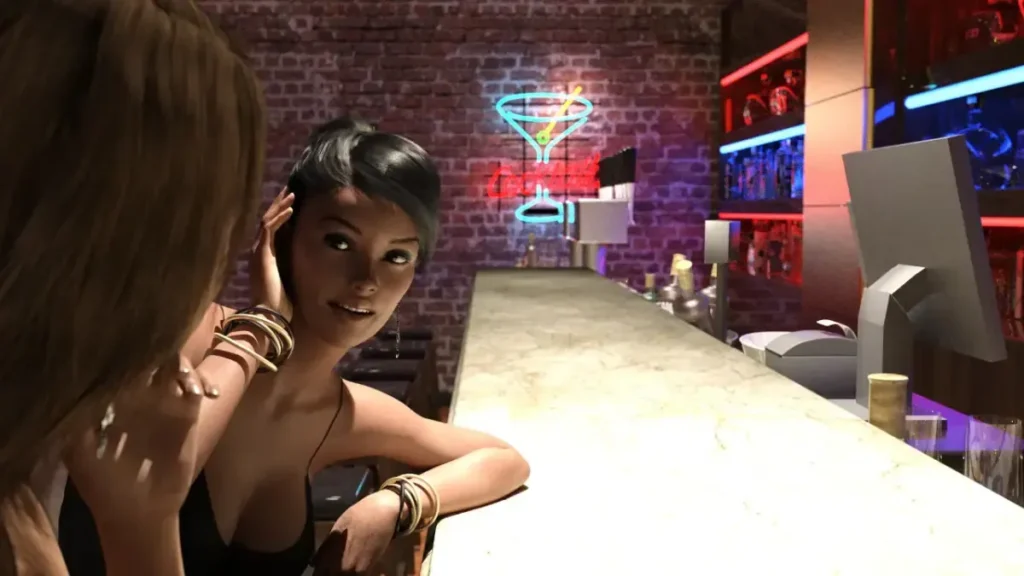




Babysitter review
Master the choices, unlock hidden scenes, and explore branching narratives in this interactive visual novel
The Babysitter interactive experience stands out in the adult gaming landscape as a narrative-driven adventure that prioritizes player agency and meaningful choices. Unlike traditional games that follow a linear path, this Ren’Py-powered visual novel puts you in control of how the story unfolds through dialogue decisions and exploration. Whether you’re a newcomer curious about what makes this game compelling or an experienced player seeking to unlock hidden content, understanding the core mechanics and narrative structure is essential. This guide walks you through everything from basic gameplay systems to advanced strategies for discovering all possible endings and intimate scenes.
Understanding Core Gameplay Mechanics and Player Agency
Ever feel like you’re just watching a story unfold, yelling at the screen because you can’t change the obvious mistake the main character is about to make? 😩 That’s the magic—and frustration—of many stories. But in the Babysitter adult game, you’re not a spectator. You’re the pilot, the architect, the cause of every beautiful or messy outcome. This is the heart of true player agency in visual novels. Your cursor isn’t just a tool; it’s your voice, your personality, and your moral compass, all rolled into one.
Forget linear tales. Here, every whispered conversation, every snooped drawer, and every decision to be kind or cold actively bends the narrative. This chapter is your map to that power. We’re diving deep into the core systems that make this interactive story tick, showing you how to master the Babysitter game dialogue choices, understand the delicate dance of its consequence system gameplay, and unlock the richest experiences hidden in its branching narrative paths. Let’s get started. 🚀
How Dialogue Trees Shape Your Experience
Think of a typical dialogue choice in a game: “Be Nice” or “Be Mean.” Simple, right? In Babysitter, it’s rarely that binary. The game’s interactive storytelling mechanics thrive on subtlety and subtext. A choice might present you with three ways to ask the same basic question, but the tone is everything.
- “Are you okay?” (Concerned)
- “You seem distracted.” (Observant/Professional)
- “Something’s bothering you.” (Direct/Assertive)
Each of these paths the conversation in a radically different direction. The first might build trust, opening a door for vulnerability later. The second might maintain a polite but distant dynamic. The third could be seen as confrontational, potentially shutting down the conversation entirely or, conversely, forcing a hidden truth to the surface faster. This nuance is what makes the Babysitter dialogue system so compelling. It’s not about picking the “good” or “bad” option; it’s about picking the option that feels true to your version of the character you’re becoming.
I learned this the hard way on my first playthrough. 🥲 Early on, a character confided in me with a minor secret. I had the option to be dismissive (“Don’t worry about it”), supportive (“I understand”), or probing (“Tell me more”). Thinking I was being a good listener, I chose “Tell me more.” The result? I came on too strong, too soon. The character clammed up, and a little flag in the game’s code marked our relationship as “Cautious.” For the next two in-game evenings, certain relaxed, flirty conversations were simply unavailable to me. I had locked myself out of an entire branch of character relationship building with a single, well-intentioned click.
Pro Tip: Don’t rush your Babysitter game dialogue choices. Read each option and ask yourself: “What is my goal here? Comfort? Information? Flirting?” The game listens to your intent.
This is the essence of player agency. Your choices have weight because they aren’t isolated. They feed into a complex relationship meter for each character, influencing not only what they say next but also what options even appear on your screen later. Want to unlock a hidden, tender scene? You might need to have consistently chosen dialogue that demonstrates empathy, not just passion. The path to closeness is built brick by brick, through words.
Consequence System: Why Every Choice Matters
If dialogue is the input, consequences are the breathtaking, sometimes terrifying, output. The Babysitter game operates on a butterfly-effect philosophy. That tiny, seemingly innocent action in the first hour can dramatically alter the landscape of the final evening. This consequence system gameplay is what transforms it from a simple story into a deeply personal experience.
The game’s structure is key. It unfolds over a series of real-time evenings. You have active periods where you’re managing your babysitting duties—these are often timed, creating a gentle pressure to prioritize. Then, you have quieter moments for exploration and private talks. A choice to diligently check on the kids might mean missing a chance to overhear a revealing phone call in the kitchen. There’s no “right” way to play, only your way, and each path reveals different fragments of the larger puzzle.
Let’s look at a concrete example. Imagine a pivotal moment midway through the story. You’ve discovered a sensitive letter belonging to one of the adults in the house. Do you:
1. Confront them privately, handing them the letter with a quiet word of concern.
2. Leave it be and never mention it, respecting their privacy absolutely.
3. Ask another character about it, subtly probing for context.
This isn’t a cosmetic choice. Option 1 could skyrocket their trust in you, leading to a profound, exclusive scene of vulnerability later—a classic way to unlock hidden scenes. Option 2 might maintain a peaceful status quo but leave a crucial narrative thread forever unexplored. Option 3? That could spark suspicion and drama between the other characters, creating a whole new web of conflict you’ll have to navigate, potentially closing off the peaceful resolution path entirely.
To visualize how these ripples spread, here’s a breakdown of common player actions and their potential outcomes:
| Player Action | Short-Term Impact | Potential Long-Term Narrative Consequence |
|---|---|---|
| Choosing to snoop in a private study | Gain a key item or piece of backstory info. | If discovered later, destroys trust with a major character, locking you out of their most personal story branch. |
| Prioritizing babysitting tasks over a conversation | Kids are happy; parent character is impressed. | Unlocks special “Responsible” dialogue options and may lead to a unique ending where your professional reputation is highlighted. |
| Flirting aggressively at the first opportunity | Might get a playful or surprised reaction. | Can be perceived as unprofessional, making genuine emotional **character relationship building** harder to initiate later. Slower-burn paths may close. |
| Consistently choosing empathetic dialogue | Characters open up more in conversations. | Unlocks “Confidant” pathways, revealing hidden fears and dreams, which is often the sole key to accessing the most intimate hidden scenes. |
See? The game is always watching, always remembering. This system makes every playthrough unique. My “nosy detective” run played out like a tense drama, while my “perfect professional” run felt like a nuanced character study. Both were valid, and both showed me wildly different sides of the story. That’s the power of branching narrative paths done right. 🌳➡️🌿
Exploration and Environmental Interaction
While talking is vital, some of the story’s deepest secrets are whispered not by people, but by the environment. 🏡 The Babysitter game understands that a house is a treasure trove of stories. The interactive storytelling mechanics extend far beyond the dialogue box, into every clickable object and quiet corner.
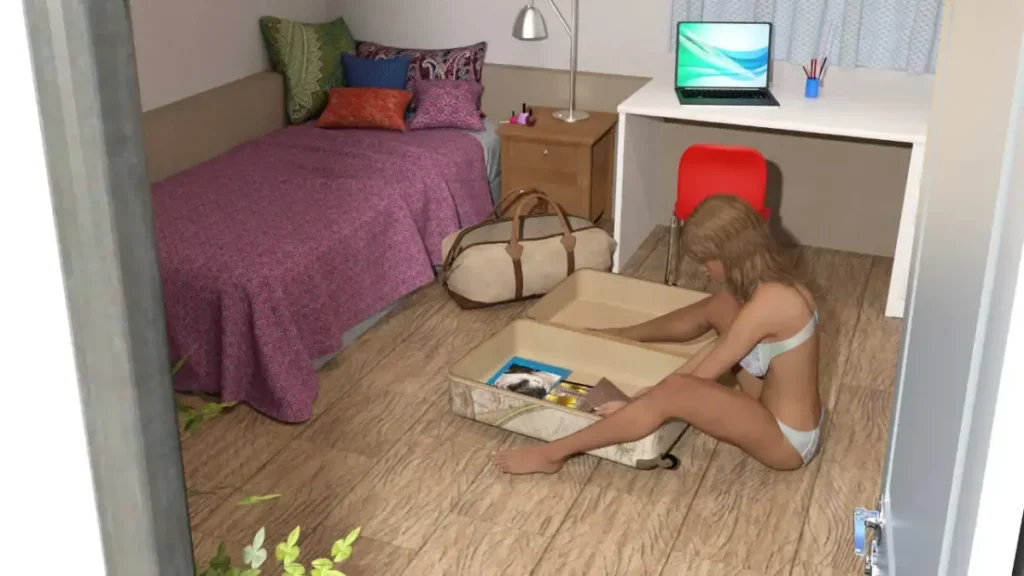
This is where the game rewards the curious. During those quieter moments in the evening, you can click on almost anything: bookshelves, photo frames, kitchen drawers, laptops (if left unlocked), and more. Each interaction does one of three things:
1. Adds Lore: You might find a birthday card that reveals a family dynamic, or a old receipt that hints at a financial worry.
2. Provides Context: A half-read novel on the nightstand might mirror a character’s inner struggle, giving you deeper insight for your next conversation with them.
3. Triggers Events: Clicking on a specific item at the right time can actually start a new scene. Maybe you find a broken toy and, if you’ve built enough rapport with the child character, you can choose to fix it together, opening a sweet side story.
My biggest “aha!” moment came from obsessive clicking. On a third playthrough, bored, I started clicking every single book on a shelf. Most gave generic descriptions (“A well-read thriller”). One, however, triggered a unique line: “This book on marine biology is bookmarked to a chapter on deep-sea symbiosis… an odd interest for this house.” That tiny clue became a crucial piece of context for understanding a character’s hidden passion, which I could then reference in dialogue to surprise and deeply connect with them. It was a hidden scene catalyst I’d missed entirely on two previous runs.
This is the practical, actionable advice I promise: Pace yourself. Be a digital detective. Don’t blaze through the environments. The game’s richest branching narrative paths are often hidden behind the most mundane interactions. Talk to characters, then after a story beat, talk to them again—they often have new things to say. Click on that suspiciously blank spot on the wall. Check the trash can (yes, really). The game is built for replays, and each thorough investigation stitches together a more complete picture of its world and people.
Mastering the Babysitter experience means embracing all three of these pillars: the weight of your words, the acceptance of their long-term effects, and the curiosity to seek out every hidden detail. This triad forms the ultimate player agency in visual novels. You’re not just following a story about a babysitter; you’re actively writing your own version of it, one deliberate choice, one explored room, and one meaningful consequence at a time. Now, go click on everything. Your unique story is waiting. ✨
The Babysitter game delivers a distinctive interactive experience that sets itself apart through meaningful player choices and emotional narrative depth. By understanding the core gameplay mechanics—from dialogue trees to the consequence system—you’ll be equipped to navigate the branching storylines and unlock the experiences that matter most to you. The game’s strength lies in its commitment to player agency; every decision genuinely shapes relationships, closes off certain paths, and opens new ones. Whether you’re drawn to the intimate scenarios, the way your choices ripple through the narrative, or the satisfaction of discovering multiple endings, taking your time to explore thoroughly and revisit with different approaches reveals the full scope of what this visual novel offers. Dive in with patience, click on everything, and enjoy how your personal journey unfolds.